When exploring the globe, many African Americans seek destinations that offer breathtaking landscapes and a sense of safety, acceptance, and cultural connection. Fortunately, numerous countries are not only welcoming but also provide a genuine sense of comfort and belonging. This guide dives into 15 amazing countries that promise unique experiences, vibrant cultures, and a safe environment for black travelers.
Ghana: The Gateway to Africa
Ghana is often heralded as the gateway to Africa. This West African gem boasts a rich history that resonates deeply with the African diaspora. With its tropical climate, featuring distinct wet and dry seasons, it is an inviting destination for those looking to connect with their roots. The people of Ghana are known for their warmth and hospitality, fostering a communal and inclusive atmosphere. Key attractions include the sobering but essential Cape Coast Castle and Elmina Castle, significant for their roles in the transatlantic slave trade.
Additionally, the bustling city of Accra offers cultural experiences such as traditional markets, live music, and significant landmarks like the Independence Arch. Ghana’s flavorful cuisine, featuring staples like jollof rice and fufu, and initiatives like the Year of Return further cement its status as a top destination for African Americans seeking cultural and historical connections.
Costa Rica: A Peaceful Paradise
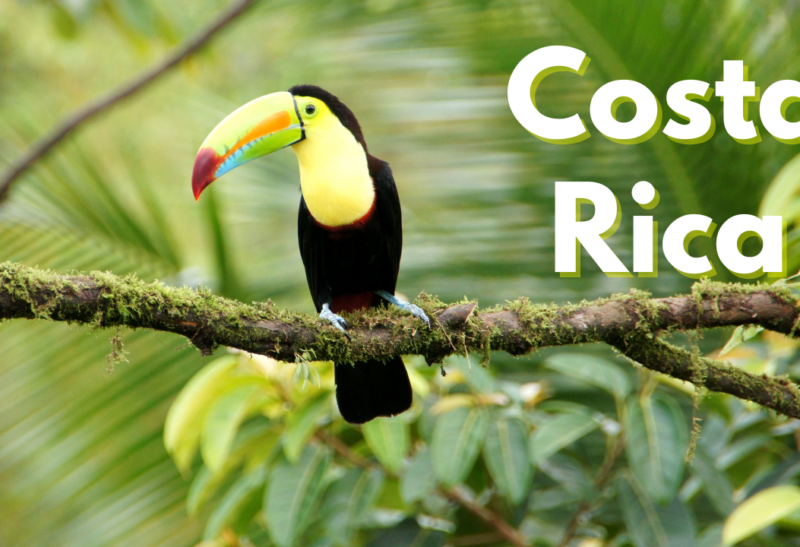
Costa Rica, a Central American paradise, is celebrated for its lush rainforests, stunning beaches, and commitment to peace and sustainability, having abolished its military decades ago. The Afro-Caribbean influence is especially vibrant along the Caribbean coast, particularly in Limón, where African heritage is celebrated through music, dance, and festivals.
Costa Ricans, known as Ticos, embrace a lifestyle centered around “Pura Vida” (Pure Life), emphasizing happiness and simplicity. Visitors can indulge in Afro-Caribbean dishes such as rice and beans cooked in coconut milk, while also enjoying the country’s myriad adventure activities like ziplining, hiking, and wildlife watching.
Thailand: The Land of Smiles
Known as the Land of Smiles, Thailand offers a welcoming atmosphere characterized by the Thai people’s kindness and curiosity. The tropical climate varies from hot summers to monsoon rains, making it a year-round destination. Thailand’s bustling cities like Bangkok feature vibrant markets, ornate temples, and thrilling nightlife, while serene destinations like Chiang Mai provide a chance to explore lush jungles and ancient sites.
Thai cuisine, famous for its balance of flavors, includes must-try dishes like Pad Thai and green curry. Thailand’s affordability, rich culture, and the respectful nature of its people make it an ideal destination for travelers seeking both adventure and relaxation.
Portugal: A Blend of Beauty and History
Portugal captivates visitors with its stunning coastline, historic architecture, and Mediterranean climate. African-Americans often feel comfortable here due to the country’s low crime rates and openness to diversity. Lisbon, the capital, is a vibrant hub of culture with historic trams, Fado music, and neighborhoods rich in character like Alfama. Porto, known for its wine, and the Algarve’s beautiful beaches add to the country’s appeal.
Portuguese cuisine, highlighted by dishes like bacalhau (salted cod) and pastéis de nata (custard tarts), offers delightful culinary experiences. Portugal’s historical connections with African nations add an interesting cultural layer, making it a meaningful destination for exploration.
South Africa: A Fusion of Culture and Nature
South Africa offers a compelling blend of natural beauty, history, and cultural diversity that deeply resonates with African Americans. The climate varies widely, from Mediterranean in the Cape to subtropical in the east, providing year-round travel opportunities. Iconic locations like Cape Town’s Table Mountain and Robben Island, where Nelson Mandela was imprisoned, offer unforgettable experiences. Johannesburg, often called “Jo’burg,” is a dynamic city with museums and galleries celebrating South Africa’s fight for freedom.
The local cuisine is as diverse as its people, with dishes like biltong, spiced meat, and braai, a traditional barbecue. South Africa’s strong ties to the African diaspora, coupled with its vibrant cities and breathtaking landscapes, make it a must-visit destination.
Japan: A Blend of Tradition and Modernity
Japan, often an unexpected haven for African-Americans, thrives on a culture steeped in respect and hospitality. Known for its varying climate, the country offers snowy winters in Hokkaido, vibrant cherry blossoms in the spring, and warm summers in Okinawa. The contrast between ultramodern cities like Tokyo and historic areas like Kyoto provides a rich tapestry of experiences for visitors.
Japanese cuisine, with favorites such as sushi, ramen, and mochi, highlights the nation’s culinary excellence. Beyond its safety and cultural richness, Japan’s efficient public transportation and highly organized cities make it an easy and enjoyable country to explore. The respectful nature of the Japanese people often leads to positive interactions, making travelers feel welcomed and valued.
Jamaica: The Heartbeat of the Caribbean
Jamaica, with its iconic reggae culture and tropical climate, is another Caribbean gem that warmly embraces African-Americans. The island’s African heritage is celebrated through its music, dance, and festivals, creating a vibrant cultural milieu. Visitors can enjoy the stunning beaches of Montego Bay, the lively atmosphere of Kingston, and natural wonders like Dunn’s River Falls.
Jamaican cuisine is bold and flavorful, featuring dishes like jerk chicken, ackee and saltfish, and beef patties. The island’s friendly people and laid-back vibe create a relaxing environment, making Jamaica a favorite destination for those looking to unwind and immerse themselves in rich Caribbean culture.
Canada: A Mosaic of Cultural Diversity
In North America, Canada offers a multicultural experience that is hard to match. From the majestic Rocky Mountains to bustling urban centers like Toronto and Montreal, Canada offers a diverse range of attractions. The country is celebrated for its progressive values and low crime rates, providing a safe environment for visitors.
African-American travelers often find comfort in the diversity of Canadian cities, where communities from all over the world coexist harmoniously. The food scene is just as diverse, ranging from local specialties like poutine to a wide array of international cuisines. Canada’s emphasis on inclusivity and welcoming attitude make it a wonderful destination for a worry-free and enriching trip.
Trinidad and Tobago: A Cultural Powerhouse
Trinidad and Tobago, a twin island nation in the Caribbean, is known for its elaborate Carnival—the most vibrant in the region. This celebration of music, dance, and colorful costumes is deeply rooted in African and Indian traditions, reflecting the islands’ multicultural heritage. The tropical climate, stunning beaches, and lush rainforests attract nature lovers and adventure seekers alike.
The African heritage of Trinidad and Tobago is celebrated through food, music, and festivals, with steel pan music, calypso, and soca playing integral roles in the island’s cultural identity. The warmth of the people and the islands’ robust cultural expressions make Trinidad and Tobago an unforgettable destination for travelers seeking a deep cultural connection and festive atmosphere.
Conclusion: A World of Opportunities
These countries are just a few of the incredible destinations that offer a welcoming embrace for African-American travelers. Whether you’re looking to connect with your roots, dive into vibrant cultures, or simply enjoy beautiful scenery, these nations have something special in store. So pack your bags and get ready for an unforgettable adventure in these safe, culturally rich, and friendly environments.
This post may contain affiliate links, which means I may receive a commission if you click a link and purchase something that I have recommended. While clicking these links won’t cost you any extra money, they help me maintain this blog and continue providing free content to my readers. I only recommend products or services that I personally use and believe will add value to my audience. My recommendations are based on my honest opinion and experience, regardless of any potential compensation. Please note that the decision to purchase is entirely yours, and I appreciate your support in helping to fund this blog’s operations.
Packing for a cruise is a bit like preparing for multiple vacations in one. You’ll need to account for beach days, elegant dinners, active excursions, and lounging onboard—all while dealing with the constraints of limited cabin space. To help you get it just right, we’ve put together a list of 25 must-have items, complete with tips, analogies, and real-world examples to illustrate their importance.
1. Passport and Travel Documents
Your passport is like the key to a treasure chest—it opens the door to all the exciting destinations you’ll visit. Even if your cruise is a closed-loop (starting and ending at the same U.S. port), carrying a passport ensures you’re covered for unexpected detours or emergencies. Keep travel insurance, boarding passes, and excursion tickets in a waterproof travel organizer for peace of mind.
2. Luggage Tags
Think of luggage tags as your suitcase’s name tag at school—they help it find its way back to you. While cruise lines offer printable tags, investing in reusable ones with a plastic cover ensures your information stays intact, even if your bags endure some rough handling.
3. Travel Insurance
Travel insurance is your safety net. Imagine booking a zip-lining excursion in the Caribbean, only to have bad weather cancel it. With travel insurance, you can recoup costs for such unexpected events. It’s like an umbrella on a cloudy day—you may not need it, but you’ll be glad it’s there when you do.
4. Comfortable Walking Shoes
Cruises often involve a lot of walking, whether you’re exploring ancient ruins in Athens or simply navigating the expansive decks of a mega-ship. A traveler once regretted wearing flip-flops to hike up Dunn’s River Falls in Jamaica—don’t be that person. Opt for sturdy, comfortable shoes for your adventures.
5. Daypack or Backpack
A daypack is your portable survival kit, perfect for carrying sunscreen, snacks, and a camera on shore excursions. Think of it as a mobile version of your cruise cabin—compact, but with everything you need for the day.
6. Swimsuits (at Least Two)
Why two swimsuits? Because no one likes pulling on a damp swimsuit the morning after a late-night hot tub dip. One cruiser swore by her rotation system: one suit for lounging and another for excursions like snorkeling in Cozumel.
7. Reef-Safe Sunscreen
Regular sunscreen is like single-use plastic—it works but comes at an environmental cost. Reef-safe sunscreen, on the other hand, protects marine ecosystems and keeps you sunburn-free. Some destinations, like Hawaii, now mandate reef-safe formulas, so pack accordingly.
8. Sunglasses and Hat
Picture yourself squinting at a picturesque Santorini sunset because you forgot your sunglasses. Avoid this fate with UV-protective shades and a wide-brimmed hat to keep the sun off your face during deck parties or excursions.
9. Lightweight Layers
Cruise ship interiors can feel like walking into a giant refrigerator, thanks to strong air conditioning. A light cardigan or jacket is your shield against the cold, especially during evening shows or dinners.
10. Formal Attire
Formal night is like prom for grown-ups—a chance to dress up and create magical memories. Bring a cocktail dress or suit, and don’t forget accessories like ties or jewelry. One cruiser recalled feeling underdressed in a sundress while others dazzled in gowns. Better to overpack on this front than miss out.
11. Power Strip or Outlet Converter
Most cruise cabins are stingy with outlets, offering just one or two. A compact, cruise-approved power strip is like a power bank for your gadgets, ensuring your phone, e-reader, and camera are always ready for action.
12. Reusable Water Bottle
Staying hydrated is crucial, whether you’re sunbathing on deck or hiking through a port city. A reusable water bottle, preferably one with a built-in filter, saves money and reduces waste compared to buying bottled water repeatedly.
13. Toiletries and Medications
Cruise shops are notorious for overcharging on essentials. Pack travel-sized versions of your favorite toiletries and a small first-aid kit. Imagine needing motion sickness tablets during choppy seas and realizing the ship’s pharmacy is closed—you’ll be glad you planned ahead.
14. Waterproof Phone Case
Your phone is your lifeline for photos, maps, and apps. Protect it with a waterproof case, especially if you’re kayaking in Alaska or swimming in the Bahamas. Think of it as a life jacket for your phone—better safe than sorry.
15. Travel Laundry Kit
On longer cruises, a travel laundry kit with detergent sheets and a portable clothesline can be a game-changer. One family saved hundreds by washing swimsuits and T-shirts in their cabin sink rather than paying for laundry services.
16. Travel-Size Binoculars
Ever been on a whale-watching cruise and realized the whales were just distant dots? Travel-size binoculars bring the action closer, whether you’re scanning the horizon for dolphins or admiring cliffside villages from the ship.
17. Snacks
Cruise buffets are plentiful, but having granola bars or trail mix in your daypack is invaluable during long excursions. A cruiser once shared how a quick snack saved her during a four-hour hike in Costa Rica when lunch was delayed.
18. Travel-Size Umbrella or Poncho
Rain showers can pop up unexpectedly, even in tropical paradises. A compact umbrella or poncho is like your secret weapon against the weather, ensuring you’re not caught off guard.
19. Cruise-Friendly Beach Towel
While ships provide towels, having a quick-drying, sand-resistant beach towel is a game-changer for shore excursions. Think of it as your trusty sidekick for beach days.
20. Packing Cubes
Packing cubes are like mini-dressers for your suitcase, keeping everything organized and making it easy to find your favorite swimsuit or dinner outfit without rummaging.
21. Portable Fan
If you’re sailing to a tropical destination, a small battery-operated fan is your secret weapon against muggy cabins or humid shore excursions. It’s like carrying a personal breeze in your pocket.
22. Travel Journal
Documenting your cruise is like creating a time capsule for your memories. Whether it’s noting the name of your favorite dish or jotting down the story of your dolphin encounter, a travel journal ensures you’ll never forget the details.
23. E-Reader or Paperback Book
Nothing complements the gentle sway of the ship like a good book. An e-reader saves space and offers variety, but a paperback adds a nostalgic charm to your poolside relaxation.
24. Foldable Beach Bag
This versatile bag is a lifesaver for carrying souvenirs, towels, or snacks during excursions. It folds small enough to tuck into your suitcase but expands when you need it most.
25. Cruise-Specific Apps or Guides
Most cruise lines have their own apps, offering schedules, dining options, and excursion details at your fingertips. One cruiser avoided a missed dinner reservation by checking the app’s notifications—a small yet vital addition to your packing list.
Packing for a cruise doesn’t have to be stressful. With these 25 must-have items, you’ll be prepared for every activity, from lounging by the pool to hiking volcanoes. Think of your suitcase as a toolkit, filled with essentials to make your cruise an unforgettable adventure. Bon voyage!
Traveling doesn’t have to break the bank. With careful planning, budget-friendly destinations, and smart money-saving tips, you can explore some incredible places for under $500 per person. Whether you’re looking for a quick weekend getaway, a cultural adventure, or a relaxing beach escape, there’s a budget destination out there for you. Here are ten destinations where you can enjoy an amazing trip for $500 or less.
1. Mexico City, Mexico
Why It’s Affordable:
Mexico City offers an excellent exchange rate for U.S. travelers, making it one of the most affordable international destinations. Flights to Mexico City are often inexpensive, especially from major U.S. cities like Los Angeles, Houston, and Miami.
What to Do on a Budget:
Visit Zócalo, the historic main square, where you can explore the Metropolitan Cathedral and ancient Aztec ruins for free.
Tour Chapultepec Park, one of the largest urban parks in the world, and visit the National Museum of Anthropology for less than $5.
Indulge in authentic street tacos, which cost as little as $1 each.
How to Stay Under $500:
Flights: $200–$300 round trip.
Accommodations: Budget hostels or Airbnbs for $15–$30 per night.
2. Budapest, Hungary
Why It’s Affordable:
Budapest is one of Europe’s most budget-friendly capitals, offering affordable accommodations, food, and attractions. Eastern Europe, in general, is a haven for budget travelers.
What to Do on a Budget:
Relax at the Széchenyi Thermal Baths for about $20.
Walk across the Chain Bridge and hike up to Buda Castle for stunning views of the city.
Try traditional Hungarian dishes like goulash at local restaurants for under $10.
How to Stay Under $500:
Flights: Use budget airlines like Ryanair or Wizz Air for cheap round-trip flights from European hubs ($100–$150 if connecting from Europe).
Accommodations: Budget-friendly hostels for $10–$20 per night.
3. San Juan, Puerto Rico
Why It’s Affordable:
As a U.S. territory, Puerto Rico allows American travelers to skip the passport hassle and currency exchange. Affordable flights and free attractions make it a top budget destination.
What to Do on a Budget:
Stroll through Old San Juan, a colorful, historic district filled with free sights like Castillo San Felipe del Morro and cobblestone streets.
Hit the beach at Condado or Isla Verde, which are both free.
Enjoy local dishes like mofongo at casual eateries for under $10.
How to Stay Under $500:
Flights: $150–$250 round trip from the U.S. East Coast.
Accommodations: Budget hotels or guesthouses for $50–$75 per night.
4. Cartagena, Colombia
Why It’s Affordable:
Cartagena combines colonial charm with beautiful Caribbean beaches at a fraction of the cost of more famous destinations. Low-cost airlines often offer discounted flights to Colombia.
What to Do on a Budget:
Explore the Walled City, a UNESCO World Heritage Site, and its vibrant plazas for free.
Visit Playa Blanca, one of the best beaches in the area, with minimal expenses for transport and food.
Enjoy fresh seafood and traditional dishes at local restaurants for as little as $5.
How to Stay Under $500:
Flights: $200–$300 round trip from major U.S. cities.
Accommodations: Boutique hostels or budget hotels for $15–$30 per night.
5. Hanoi, Vietnam
Why It’s Affordable:
Vietnam is one of Southeast Asia’s most affordable countries. Hanoi, its capital, offers a rich cultural experience at rock-bottom prices for food, transport, and activities.
What to Do on a Budget:
Wander through the Old Quarter, where you can enjoy street performances and browse markets for free.
Visit the Ho Chi Minh Mausoleum and surrounding landmarks for minimal entrance fees.
Feast on local delicacies like pho and banh mi for $1–$3.
How to Stay Under $500:
Flights: From Asia, budget carriers like AirAsia offer round-trip flights for as low as $100. (U.S.-based travelers may need to combine this with a separate flight to Asia.)
Accommodations: Hostels and budget hotels cost $10–$20 per night.
6. New Orleans, Louisiana, USA
Why It’s Affordable:
New Orleans offers incredible cultural experiences without hefty costs. Affordable flights and a range of budget-friendly accommodations make it perfect for a short getaway.
What to Do on a Budget:
Enjoy live music in the French Quarter or along Frenchmen Street for free.
Stroll through Jackson Square and admire the street artists and performers.
Dine on iconic dishes like po’boys and beignets for under $10.
How to Stay Under $500:
Flights: $100–$200 round trip from most U.S. cities.
Accommodations: Budget motels and guesthouses for $50–$75 per night.
7. Bangkok, Thailand
Why It’s Affordable:
Thailand’s low cost of living makes Bangkok an ideal budget destination, especially for first-time visitors to Southeast Asia.
What to Do on a Budget:
Visit Wat Arun and The Grand Palace for $5–$15.
Shop at the Chatuchak Weekend Market, where you can buy souvenirs and eat street food for just a few dollars.
Take a boat ride along the Chao Phraya River for less than $1.
How to Stay Under $500:
Flights: Budget airline deals from other parts of Asia often cost $100–$200 round trip.
Accommodations: Guesthouses and hostels for $10–$25 per night.
8. Lisbon, Portugal
Why It’s Affordable:
Lisbon is one of Europe’s best-value destinations, with affordable flights, delicious food, and free or cheap attractions.
What to Do on a Budget:
Ride the historic Tram 28 for less than $5 to explore the city.
Visit landmarks like Belém Tower and Jerónimos Monastery for free or a small fee.
Enjoy traditional Portuguese meals, like bacalhau and pastel de nata, for $10 or less.
How to Stay Under $500:
Flights: $250–$300 round trip from major U.S. cities during sales.
Accommodations: Budget hostels or shared apartments for $20–$40 per night.
9. Montego Bay, Jamaica
Why It’s Affordable:
Montego Bay combines stunning beaches with reggae culture and affordable prices. Flights from the U.S. East Coast are often budget-friendly.
What to Do on a Budget:
Relax at Doctor’s Cave Beach, a beautiful spot with minimal entrance fees.
Explore local markets and sample authentic Jamaican jerk chicken for $5–$10.
Visit Sam Sharpe Square, a historic area with free attractions.
How to Stay Under $500:
Flights: $200–$300 round trip from the U.S.
Accommodations: Budget guesthouses or hostels for $30–$50 per night.
10. Tulum, Mexico
Why It’s Affordable:
Tulum offers a blend of beautiful beaches, Mayan ruins, and eco-friendly stays at budget-friendly prices.
What to Do on a Budget:
Explore the Tulum Ruins, perched on cliffs overlooking the Caribbean, for a small entrance fee.
Swim in nearby cenotes like Gran Cenote for less than $10.
Enjoy delicious tacos and fresh seafood from local vendors for under $5.
How to Stay Under $500:
Flights: $200–$300 round trip to Cancun, then a short bus ride to Tulum.
Accommodations: Budget hostels and eco-lodges for $20–$40 per night.
Budget Travel Tips to Stay Under $500
Book Flights Early: Use tools like Google Flights and Skyscanner to find the best deals and set alerts for price drops.
Travel During Off-Peak Seasons: Avoid holidays and peak travel times to score lower prices on flights and accommodations.
Use Budget Airlines: Be prepared to travel light and save on airfare by flying with budget carriers.
Stay in Hostels or Guesthouses: These accommodations offer comfortable stays at a fraction of hotel prices.
Eat Like a Local: Skip expensive restaurants and enjoy street food or casual eateries for authentic meals.
Plan Free Activities: Research free or low-cost attractions and take advantage of walking tours, public parks, and beaches.
Traveling on a budget doesn’t mean sacrificing incredible experiences. With careful planning and these affordable destinations, you can enjoy memorable adventures without breaking the bank. Where will you go next?
As the travel landscape continually reshapes itself, 2025 unveils a treasure trove of destinations where the adventurous spirit can roam freely without the heavy shackles of high expenses. Imagine a world where your dollar stretches as far as the eye can see, or in travel terms, where it can take you from steamy street food stalls in Southeast Asia to the sun-kissed beaches of Eastern Europe. This guide will escort you through the top 10 budget-friendly travel destinations for 2025, offering a blend of culture, cuisine, and unique experiences that won’t require you to pawn your grandmother’s silverware to afford.
1. Ho Chi Minh City, Vietnam
Description and Appeal: Often called the beating heart of Vietnam, Ho Chi Minh City (formerly Saigon) is a vibrant blend of the old and new. The city buzzes like a beehive with motorcycles weaving through colorful markets. It’s a place where skyscrapers rub shoulders with ancient temples, offering an economical yet rich travel experience.
Culture and Food: The cultural tapestry of Ho Chi Minh City is as intricate as the patterns on a Vietnamese silk dress. Here, you can sip on the robust flavors of local coffee while watching the city buzz by or munch on a bánh mì as you navigate through the historical narratives woven around corners of the Cu Chi tunnels. The street food here, much like a well-orchestrated symphony, creates harmonious flavors from simple ingredients.
Why It’s Budget-Friendly: Affordable accommodations, cheap and cheerful meals that can cost less than a cup of coffee in expensive cities, and attractions that are either free or charge a nominal fee make Ho Chi Minh City a wallet-friendly paradise.
2. Sofia, Bulgaria
Description and Appeal: Sofia, the capital of Bulgaria, is like an open book whose pages are filled with tales of Roman ruins, Ottoman mosques, and Soviet monuments. Nestled in the embrace of the Vitosha Mountain, this city offers a rare European experience at a fraction of the usual cost.
Culture and Food: Bulgarians are famously hospitable, often seen sharing stories over a glass of rakia. Sofia’s markets, like the vibrant Ladies Market, are not just places to shop but are cultural experiences, offering a slice of Bulgarian life. The food is hearty and comforting, think a grandmother’s hug in the form of a warm bowl of Shopska salad or a hearty banitsa.
Why It’s Budget-Friendly: Sofia’s affordability shines in its inexpensive public transport, low-cost boutique lodgings, and eateries that offer delicious dishes at laughably low prices.
3. Valparaíso, Chile
Description and Appeal: Often overshadowed by its big brother Santiago, Valparaíso is a hidden gem that’s as colorful as a box of crayons spilled on the hills. This port city is known for its bohemian culture, steep funiculars, and kaleidoscopic street art.
Culture and Food: Valparaíso is a poet’s muse, a painter’s palette, and a historian’s enigma all rolled into one. The city’s streets are like galleries, showcasing murals that tell stories of its maritime past. The cuisine is an array of seafood, with dishes like ceviche tasting as fresh as the sea breeze.
Why It’s Budget-Friendly: Cheap local buses, affordable seafood eateries, and hostels that often offer views as stunning as any pricey hotel room ensure that Valparaíso is a haven for budget travelers.
4. Porto, Portugal
Description and Appeal: Porto, with its river Douro elegantly snaking through the city, charmingly disheveled old quarters, and bridges that stitch the banks together, offers a more down-to-earth experience than its more famous sibling, Lisbon.
Culture and Food: Porto is like the cool cousin of the Portuguese family, laid-back but with a story to tell at every corner. The city is famed for its port wine, which you can sip while strolling along the Ribeira. The food here is unpretentious yet divine, with francesinha—a meaty sandwich soaked in beer sauce—serving as a testament to the city’s love for bold flavors.
Why It’s Budget-Friendly: Porto offers an array of free walking tours, budget-friendly tapas bars, and accommodation options that range from charming hostels to affordable riverfront guesthouses.
5. Kathmandu, Nepal
Description and Appeal: Kathmandu, the chaotic yet charming capital of Nepal, is a gateway to the Himalayas. It’s a city where ancient temples stand defiant against the backdrop of modern hustle, and street vendors sell dreams woven into colorful handicrafts.
Culture and Food: The cultural heart of Nepal beats in the temples and stupas that dot Kathmandu’s landscape, where spirituality is the currency of choice. The local cuisine, with momos (dumplings) and dal bhat (rice and lentils), offers a taste of the Himalayan heaven without the need to trek.
Why It’s Budget-Friendly: Kathmandu is your go-to destination for cheap yet comfortable accommodations, free cultural sights, and hearty meals that cost less than a souvenir t-shirt.
6. Budapest, Hungary
Description and Appeal: Budapest is like a grand opera in the form of a city, dramatic and beautiful. The Danube river plays a starring role in this Hungarian masterpiece, with the city’s famous baths and ruin pubs providing the chorus.
Culture and Food: Hungarian culture is a tapestry woven with threads of history, from the grandeur of Buda’s Castle to the quiet charm of a Pest café. The food is a melody of deep flavors, with dishes like goulash and paprikash telling tales of the past.
Why It’s Budget-Friendly: Budapest’s affordability sings in its free walking tours, budget thermal baths, and eateries where indulging in hearty Hungarian fare won’t necessitate a post-vacation diet for your wallet.
7. Lisbon, Portugal
Description and Appeal: Lisbon is like a sun-kissed Mediterranean dream, dressed in azulejo tiles and steep, quaint streets. The city has a timeless, effortless charm, with trams that rattle up and down the hills as if they’re stitching the cityscape together.
Culture and Food: In Lisbon, every cobblestone is steeped in history and every breeze carries a hint of fado music. The food here is a feast for the senses, with bacalhau (salted cod) and pastéis de nata (custard tarts) as staple delights.
Why It’s Budget-Friendly: From free museum days and budget-friendly viewpoints like Miradouro da Senhora do Monte to inexpensive seafood taverns, Lisbon allows you to experience luxury on a dime.
8. Jakarta, Indonesia
Description and Appeal: Jakarta may seem like a daunting mosaic of Southeast Asia’s hustle and bustle, but beneath its veneer lies a city teeming with hidden gems. It’s a metropolis where skyscrapers and minarets strive for the heavens in equal zeal.
Culture and Food: Jakarta is a crucible of cultures, where Javanese, Malay, Chinese, Arab, Indian, and European influences simmer together. The street food, like a painter’s palette, is vibrant with colors and tastes—sate ayam (chicken skewers) and nasi goreng (fried rice) are just the beginning.
Why It’s Budget-Friendly: With street food that’ll cost less than a ride on the bus and guesthouses that offer comfort without the hefty tag, Jakarta offers an affordable slice of Indonesia without skimping on the cultural experience.
9. Mexico City, Mexico
Description and Appeal: Mexico City is like an ancient book, each page a layer of history, from the Aztecs to the Spanish to the modern day. It’s a cultural behemoth, unapologetic and bold in its identity, with streets that buzz with life and plazas that whisper the past.
Culture and Food: The heart of Mexico throbs in its capital, where mariachi bands play with as much passion as the chefs who craft tacos and tamales. Mexican cuisine here is UNESCO-recognized, not just for its flavors but for its deep cultural roots.
Why It’s Budget-Friendly: Mexico City offers a king’s ransom of experiences for a pauper’s purse. With museums like Museo Frida Kahlo offering free days and street tacos that cost less than a dollar, your budget will stretch as far as your imagination.
10. Cairo, Egypt
Description and Appeal: Cairo is a sensory overload, a city where ancient pyramids gaze down upon a bustling metropolis. It’s a place where history is not just studied but lived, breathed, and touched.
Culture and Food: Egyptian culture is as rich as the soil of the Nile Delta. In Cairo, you can wander through bazaars that haven’t changed for centuries or sip on mint tea while watching the world go by. The food is a narrative of the nation’s history, with dishes like koshari (a mix of pasta, rice, lentils, and tomato sauce) and ful medames (fava beans) serving as staples.
Why It’s Budget-Friendly: Cairo’s treasures are manifold and inexpensive. Whether you’re bargaining in the Khan el-K.
Embarking on a journey is always an exciting adventure, and having the right gear can make all the difference. To enhance your travel experience, we’ve curated a list of 20 highly recommended travel products available on Amazon. These essentials are designed to provide convenience, comfort, and peace of mind during your travels.
This post may contain affiliate links, which means I may receive a commission if you click a link and purchase something that I have recommended. While clicking these links won’t cost you any extra money, they help me maintain this blog and continue providing free content to my readers. I only recommend products or services that I personally use and believe will add value to my audience. My recommendations are based on my honest opinion and experience, regardless of any potential compensation. Please note that the decision to purchase is entirely yours, and I appreciate your support in helping to fund this blog’s operations.
Storage
Packing Cubes for Suitcases
Packing efficiently is essential for any traveler, and products like thePacking Cubes for Suitcases are a game changer. These durable cubes help organize clothes, maximize suitcase space, and make unpacking effortless. Travelers love them for simplifying multi-destination trips.
Toiletry Bag
Staying organized is key to stress-free travel, and the BAGSMART Toiletry Bag is a must-have. Its water-resistant compartments and hanging hook make it easy to keep toiletries tidy, even in cramped hotel bathrooms. For tech enthusiasts, the FYY Electronic Organizer ensures cords, chargers, and gadgets stay tangle-free and protected. Similarly, the Ceptics Universal Travel Adapter Kit is a favorite among international travelers, with compatibility in over 150 countries and USB ports for charging multiple devices at once.
Electronics Organizer
For tech enthusiasts, the FYY Electronic Organizer ensures cords, chargers, and gadgets stay tangle-free and protected. Similarly, the Ceptics Universal Travel Adapter Kit is a favorite among international travelers, with compatibility in over 150 countries and USB ports for charging multiple devices at once.Stay connected worldwide with this all-in-one adapter, compatible with outlets in over 150 countries.
Laptop Backpack
Lastly, the MATEIN Travel Laptop Backpack combines functionality and style with its water-resistant material, USB charging port, and anti-theft features, making it ideal for business travelers and digital nomads.
Keep your shoes separate and your clothes clean with these COIDEA Clear Shoe Bags for Travel, which are waterproof, dustproof drawstring bags.
Luggage Scale
To ensure you never face unexpected baggage fees, the Luggage Scale is invaluable. These compact tools provide accurate weight readings, saving you stress and money at the airport.
RFID-blocking Wallet
Safety and convenience go hand in hand with the Hero Neck Wallet, a discreet, RFID-blocking pouch that secures your passport, credit cards, and cash. Travelers love the peace of mind it provides in crowded areas.
Hygiene is a top priority for many travelers, and products like the Steripod Clip-On Toothbrush Protector and Neutrogena Makeup Remover Wipes keep essentials clean and accessible. The individually wrapped makeup remover wipes are especially convenient for refreshing your skin on the go.
Gillette Venus Extra Smooth On-The-Go Women’s Razor
Achieve a smooth shave anywhere with this compact razor, complete with a travel case for convenience.
Travel Pillow
For a comfortable journey, the Travel Pillow offers ergonomic neck support, far superior to traditional U-shaped pillows, making it a favorite for frequent flyers. Similarly, the Dot&Dot Twist Memory Foam Travel Pillow is loved for its customizable design, providing support for neck, back, or legs during long flights, road trips, or train rides. Hygiene is a top priority for many travelers, and products like the Clip-On Toothbrush Protector and Neutrogena Makeup Remover Wipes keep essentials clean and accessible. The individually wrapped makeup remover wipes are especially convenient for refreshing your skin on the go.
Kintion Pocket Mirror
Touch up your look anywhere with this compact, LED-lit mirror, perfect for purses and travel bags.
Equipping yourself with these top-rated travel products can significantly enhance your travel experience, offering organization, comfort, and security. Consider adding them to your packing list for your next adventure.
If you’re planning your first trip to an all-inclusive resort, this guide is essential to ensure you don’t miss out on the perks and avoid those rookie mistakes that can mess up your relaxation time. I’ll break down the top 10 biggest mistakes that first-timers make at all-inclusive resorts. From Planet Hollywood Costa Rica to Iberostar Waves Costa Dorado in the Dominican Republic, Secrets in Cancun, and other world-renowned spots—I’ve got you covered.
1. Not Researching the Resort’s Amenities
First up, one of the most common mistakes—not researching your resort’s amenities before you go. All-inclusive resorts can vary widely in what they offer, and some of the best experiences are hidden in the fine print. For example, Secrets in Cancun is known for its exclusive adults-only atmosphere, stunning infinity pools overlooking the ocean, and five-star dining options. But if you haven’t researched, you might miss out on a few incredible perks. Secrets offer premium experiences like tequila tastings and their unique ‘Sip, Savor & See’ dining program, which lets you explore and dine at other luxury properties in the same resort family. Missing out on these kinds of extras means you’re not getting the full experience you paid for.
Then there’s Planet Hollywood Costa Rica, where they offer daily movie screenings, themed pools, and even a mini-Hollywood Walk of Fame! Imagine spending your days only at the main pool because you didn’t know about the Hollywood-themed on-site events. This resort even has a wellness program with sunrise yoga sessions, hydrotherapy pools, and a full spa with treatments inspired by the natural surroundings of Costa Rica. If you love activities, Iberostar Waves Costa Dorado in the Dominican Republic is another resort packed with options. Besides the beautiful beachfront and pools, they offer classes on cooking local dishes, dance lessons, and a kids’ club with supervised adventures for the little ones—ideal for families who need a mix of relaxation and fun.
When you’re paying for an all-inclusive experience, you should feel like every day is packed with options, from entertainment to wellness to gourmet meals. Often, the information you need is on the resort’s website or app, if they have one. So, take a look! Check if there’s an app you can download to stay updated on activities or special dining options. The extra time spent on research will help you avoid any ‘if-only-I’d-known’ regrets.
Remember, you’re not just booking a room—you’re booking a total experience! By diving into the details, you’re setting yourself up for an unforgettable stay where you can enjoy every amenity to the fullest.
2. Ignoring What’s Not Included
Next, let’s talk about an easy mistake to make—ignoring what’s not included at your all-inclusive resort. While resorts like Planet Hollywood Costa Rica have plenty to offer under the all-inclusive package, some premium experiences will come with an extra cost. Think of it this way: when you go to the movies, the ticket covers your seat, but if you want a jumbo popcorn or a drink, that’s going to cost extra. It’s the same concept here.
At Planet Hollywood Costa Rica, most meals, drinks, and activities are included, but things like their signature spa treatments, off-resort excursions like zip-lining in the rainforest, or private romantic dinners on the beach might carry an additional fee. For travelers wanting a premium beverage experience, the resort may charge extra for certain high-end spirits. If you don’t plan for this in advance, it can add up quickly!
Then there’s Iberostar Waves Costa Dorado in the Dominican Republic, a family-friendly spot with beautiful beaches and tons of activities. While the resort provides great dining options and standard beverages, premium alcohol isn’t always covered. Plus, excursions like snorkeling trips or guided tours to explore the breathtaking waterfalls of the Dominican Republic typically aren’t included in your package. Planning to take advantage of these? Be sure to account for these extras in your budget to avoid surprises.
The same goes for adults-only resorts like Secrets in Cancun. The serene, romantic atmosphere is ideal for couples, but if you want to go all out with a private beach cabana, or you’re looking to book a sunset yacht cruise or deep-sea fishing adventure, expect to see additional fees.
Every all-inclusive is a little different, so when booking, ask or check the resort’s website for a breakdown of what’s included versus what’s an added charge. This way, you can plan and create a budget that covers everything you want to experience without feeling restricted or shocked by unexpected charges.
Remember, knowing these details beforehand allows you to make the most of your time and money, so you’re not second-guessing every choice on your vacation. A little planning can help you avoid any ‘extras’ that don’t fit your budget, while still enjoying the best your resort has to offer!
3. Overpacking for Every Situation
Next up, let’s talk about overpacking. When heading to an all-inclusive resort, it’s easy to fall into the trap of bringing more than you’ll need. But here’s the truth: these resorts are designed for comfort and convenience. Think about it—most all-inclusive resorts have on-site shopping options for essentials you might have forgotten, and if there’s something you didn’t bring, the concierge is usually stocked with basics like toiletries, sun care, and other must-haves. So if you’re bringing half your closet, you’re probably overdoing it!
Packing light makes your whole experience smoother. With a minimal wardrobe focused on versatile pieces, you’ll have less to carry, unpack, and repack, which frees you up to focus on relaxing. The dress code at most resorts is pretty casual, with maybe a few more formal pieces for certain restaurants or events, but for the most part, think light, breezy clothing, swimsuits, and maybe one nice outfit for a special dinner.
Another bonus? If you’re flying, fewer bags can mean avoiding those extra baggage fees—and less hassle lugging around heavy suitcases. Plus, your room won’t feel cluttered, so it’s easier to settle in and feel at home.
And remember, overpacking can get in the way of your vacation vibe. You want to feel carefree, not weighed down with more ‘stuff’ than you’ll ever use. So, pack the essentials, skip the ‘just in case’ items, and give yourself permission to keep it light for the ultimate in stress-free travel.
4. Neglecting to Book Restaurant Reservations in Advance
One major rookie mistake? Not booking restaurant reservations in advance. Resorts like Iberostar Waves Costa Dorado and Secrets in Cancun have some exclusive dining spots with limited seating, and trust me—you don’t want to miss out because you didn’t reserve. Imagine watching everyone else enjoy gourmet dining while you’re left with standard buffet options just because you skipped this step. Some resorts even offer app-based reservations, so if you can, book as soon as you arrive, or even better—try to make reservations before you get there.
At Secrets in Cancun, for example, there are fantastic restaurants offering everything from authentic Mexican cuisine to fresh seafood. At Planet Hollywood Costa Rica, the Latin fusion restaurant is a standout, with vibrant dishes and flavors that will make your whole trip memorable.
Bottom line: if you’re excited about trying specific restaurants, plan ahead. These dining experiences are often among the highlights of an all-inclusive trip, so don’t risk leaving it to chance. Book your spots early, especially if there’s a restaurant with a theme night or special tasting menu—you won’t regret it.
5. Not Tipping the Staff
Next up, tipping—this can be a little confusing at all-inclusive resorts. While many packages include a basic gratuity, it’s always appreciated when guests recognize the people who work hard to make their stay amazing. Think about it: if you’re at Secrets in Cancun, and you’re getting top-notch room service or enjoying that personalized poolside drink service, a small tip for the staff really goes a long way.
A small tip can make a big difference to the housekeeping team, the waitstaff, or the bartenders who might go that extra mile to make your stay special. Even if tipping isn’t officially required, it’s often a way to ensure you receive the best possible service. And honestly, that little extra bit of generosity might just mean getting that cozy cabana spot or your favorite cocktail made just right.
Now, I know tipping can be a bit of a gray area, but think of it this way: a few dollars here and there can make someone’s day, and you’ll likely enjoy more attentive and friendly service. At the end of the day, it’s a small gesture that can add a lot of positive vibes to your stay—and who doesn’t want that?
6. Skipping Travel Insurance
You’re in paradise, right? You’re probably thinking, ‘What could possibly go wrong?’ But the reality is, unexpected events can happen at any time. Missed flight connections, lost luggage, or even a last-minute change in your travel plans—these things can throw a wrench in your vacation. And that’s where travel insurance comes in, offering you protection and peace of mind. Resorts in locations like Costa Rica or the Dominican Republic often partner with local tour companies that have stricter cancellation policies. Without the proper insurance, you might be left paying for excursions you can’t make.
Let’s say you’ve got that dream scuba diving experience lined up or a thrilling zipline adventure planned. What if a sudden illness or an unexpected flight delay causes you to miss it? Travel insurance covers these unforeseen circumstances, ensuring that you don’t lose out on your investment. Without it, you might be stuck paying for something you can’t use.
And it’s not just about protecting you from accidents or cancellations. Many travel insurance policies cover things like lost or damaged luggage, which can be a lifesaver if your bag gets delayed or mishandled. I’ve heard horror stories of people arriving at their resorts with no clothes or essentials, and having travel insurance can make all the difference in getting you reimbursed or having the situation resolved quickly.
Now, I know some of you might think, ‘I’m in perfect health, nothing’s going to happen.’ But that’s the beauty of insurance—you’re paying for that peace of mind, just in case. It’s like a safety net for your trip, ensuring that no matter what happens, you can still enjoy your vacation.
The good news is that travel insurance is often quite affordable, especially considering the potential costs of missed flights or unexpected trip changes. So, before you leave for your all-inclusive resort in places like Cancun, the Dominican Republic, or Costa Rica, check if your resort offers a recommended travel insurance provider or look into third-party options.
When you’re spending hundreds or even thousands on your vacation, investing a little extra in insurance can protect your investment—and your peace of mind—when the unexpected happens.
So, don’t skip out on this crucial step. Travel insurance can save your trip, and sometimes, it’s just the right thing to do for a stress-free vacation.
7. Trying to Do Too Much
All-inclusive resorts like the Hard Rock Punta Cana in the Dominican Republic have an almost overwhelming list of activities—beach sports, nightly shows, pool parties, fitness classes, cooking workshops, and more. It’s tempting to sign up for everything, thinking you don’t want to miss out on any of the fun. But here’s the thing—when you try to pack too much into your itinerary, you risk burnout. You’ll end up feeling like you need a vacation from your vacation!
I get it—the activities sound so exciting, but part of the charm of an all-inclusive resort is the opportunity to relax. Instead of running from one event to the next, consider how much time you want to actually enjoy the resort itself. Have a lazy morning with room service or spend a few hours enjoying the beach without a schedule. The goal is to recharge—not to exhaust yourself.
Think about it this way: you wouldn’t cram every museum and landmark into a single day when you’re exploring a city, right? It’s the same with resorts. Yes, you can try a fun water aerobics class in the morning, but why not spend the afternoon lounging by the pool with a refreshing cocktail in hand? Or take a walk along the beach to catch the sunset.
Balancing active fun with relaxation is key. So, don’t feel pressured to sign up for every excursion or event. Pick a few must-dos, but leave room for spontaneous moments of enjoyment—whether that’s indulging in the spa, enjoying a quiet evening with your partner, or simply reading a book by the pool. Trust me, you’ll return home feeling rejuvenated, not exhausted.
By pacing yourself, you’ll not only enjoy the activities, but you’ll also savor the experience of being at the resort, fully present, and stress-free.
So, remember: the best vacation isn’t about doing everything—it’s about enjoying everything at your own pace.
8. Avoiding Local Culture
Here’s a big mistake many first-timers make—sticking only to the resort and ignoring the local culture. Sure, all-inclusive like the Royalton in Antigua offers amazing amenities and activities, but stepping outside the resort gates opens a whole new world. Resorts like Sandals South Coast in Jamaica offer incredible cultural experiences, from live performances by local musicians to art shows by local artists. But those aren’t the only ways to experience the true essence of a destination.
You might think that sticking to the all-inclusive setup will give you everything you need, but trust me, it’s the moments you spend exploring the local culture that often become your favorite memories. Whether it’s a guided tour to a nearby historical site, a cooking class where you learn to prepare authentic Caribbean dishes, or even just a visit to a local market where you can haggle for fresh produce or handmade crafts, these experiences are priceless.
At resorts like Sandals South Coast, you can experience the island’s music scene firsthand with local performers right there in the resort. But don’t stop there—take a short trip to a nearby beachside café and enjoy some jerk chicken, or visit an artisan market and pick up a unique souvenir that tells the story of the island. You’ll leave with not only great souvenirs but also a deeper connection to the place you’re visiting.
The local culture is one of the best parts of traveling. So, don’t just lounge by the pool every day—get out there and experience the destination as the locals do. Try something new, whether it’s learning about the island’s history, enjoying local food, or listening to live reggae music that brings the soul of Jamaica to life.
Trust me, these kinds of experiences give you a richer, more rewarding trip, and you’ll leave with memories that you can’t get from a resort activity. Even a brief walk through a local town or chatting with the vendors can teach you something new, and you’ll be glad you stepped out of your all-inclusive bubble.
So, the next time you’re booking a trip to a beautiful destination, remember to explore beyond the resort. It’s not just about enjoying the luxury—it’s about immersing yourself in the culture and discovering what makes that place unique.
Take the time to meet the locals, try the food, and see the sights. These are the experiences that truly make your trip unforgettable!
9. Forgetting Sunscreen and Hydration Essentials
One mistake that can quickly turn your tropical getaway into a less-than-ideal experience is forgetting the basics: sunscreen and hydration. At beautiful resorts like the Atlantis in the Bahamas, where you’ll be spending a lot of time under the sun, it’s easy to get caught up in the fun of the beach, the pool, or an adventure tour, but without proper protection, the sun can quickly leave you burnt and fatigued. And trust me, no one wants to spend the rest of their vacation nursing a sunburn!
While many resorts do have plenty of shady spots or indoor lounges where you can take a break, you’ll still be outdoors a lot—whether it’s lounging by the pool, going for a beach walk, or exploring the local area. The tropical sun can be unforgiving, so make sure to pack a high-SPF sunscreen and reapply it every two hours. It’s also a good idea to protect your face with a wide-brimmed hat or sunglasses for added coverage.
A good rule of thumb is to always have sunscreen and a reusable water bottle with you. Staying hydrated is key to preventing heat-related fatigue, especially in tropical climates where the temperature and humidity can make you feel more dehydrated than you realize.
Most resorts will provide water stations or complimentary bottled water, so make it a habit to refill and sip throughout the day. You’ll find that staying hydrated not only helps you feel better but also helps with your energy levels, making sure you can enjoy all the fun activities without feeling sluggish.
And, remember, it’s not just about staying hydrated during the day, but also after any sun exposure. If you’re planning on enjoying an afternoon out in the sun, consider adding an electrolyte drink to your routine for that extra boost, especially if you’re hitting the beach for some fun water activities.
Take care of your skin and your body. It’s easy to get caught up in the excitement of all the fun at an all-inclusive resort, but neglecting sunscreen and hydration can leave you feeling miserable the next day when you could be out exploring or lounging in paradise.
So, pack your sunscreen, hydrate often, and enjoy the sun safely! The last thing you want is to miss out on amazing experiences because you’re stuck inside nursing a sunburn or dealing with heat exhaustion.
10. Not Checking the Weather and Seasonal Changes
The weather can make or break your all-inclusive resort experience, so one of the biggest mistakes first-timers make is not checking the weather or understanding seasonal changes. Resorts like Club Med in the Maldives or Secrets Maroma Beach Riviera Cancun in Mexico often offer fantastic deals during off-peak times, but those great savings can come with some drawbacks. For instance, off-peak times often coincide with the rainy season or even hurricane season, which can throw a wrench in your plans.
Sure, it’s tempting to snag a bargain, but if your dream vacation includes lounging on pristine beaches or enjoying outdoor excursions like ziplining, hiking, or scuba diving, rainy or stormy weather can put a damper on those activities. Imagine getting to your tropical resort only to find out that most of the outdoor activities are either canceled or limited due to weather conditions.
It’s not just about dodging the rain. Certain amenities, such as water sports, outdoor dining, and excursions, might be unavailable or less enjoyable when the weather isn’t cooperating. So, before booking, take a moment to check out the average weather for the time of year you’re traveling. Many resorts have seasonal schedules, and you’ll want to ensure that the experiences you’re looking forward to will be available when you arrive.
A little planning can go a long way. For example, traveling during the shoulder season—those weeks just before or after the peak season—can give you the best of both worlds: fewer crowds, better rates, and more chances to enjoy the activities you’ve been dreaming about, without the heavy rains or high humidity.
And don’t forget, some resorts may offer great discounts during the low season, but you may not be getting the full experience if the weather doesn’t cooperate. If you’re hoping to experience the destination’s natural beauty and outdoor activities, it’s essential to know what weather to expect and plan accordingly.
Be sure to check the long-term forecast as your trip approaches. While weather can be unpredictable, knowing the seasonal trends can help you make the best choice for your vacation timing.
So, remember, to research your destination’s weather patterns, peak seasons, and off-season drawbacks. You don’t want to spend your days indoors when you could be exploring everything the resort has to offer!
There you have it—the top mistakes to avoid on your first trip to an all-inclusive resort! With these tips, you’re set to make the most of your stay without any hassle.
Thanks for watching SO Epic Escapes. If you found this helpful, don’t forget to like, subscribe, and hit the bell icon for more tips on making your vacations truly epic. See you on the next adventure!
The great American dream isn’t confined to its borders anymore. Many Americans are packing up their things, grabbing their passports, and making a new life abroad. Some are chasing adventure, while others are running from sky-high rent or winter that overstays its welcome.
After the 2024 election, conversations around expatriation have intensified as people seek alternatives to a polarized political landscape.
It’s not just politics driving this trend, though. Rising costs of living, concerns about healthcare access, and a longing for adventure are all part of the equation. With remote work making it easier to earn a living from anywhere, many Americans realize they don’t need to be tethered to the U.S. For some, it’s about finding a place where the pace of life matches their ideals, or where their dollar stretches further.
In this new global reality, people aren’t just dreaming about a better life—they’re actively researching, planning, and moving to countries that align with their hopes for the future. Whether it’s sipping coffee in a Parisian café, hiking the jungles of Costa Rica, or immersing themselves in the culture of Vietnam, Americans are proving that life doesn’t have to be limited by borders.
Wherever the reason lies, these ten destinations are some of the most popular spots Americans are choosing to call home.
First on our list…
1. Mexico: The Neighbor We Can’t Resist
Mexico has always been a favorite getaway, but for many Americans, it’s becoming home sweet home. Why? Start with its proximity—Mexico is like that reliable friend who lives just down the street. No 14-hour plane rides are required! Whether you’re retiring or working remotely, Mexico offers an affordable lifestyle with costs often half of what you’d spend in the U.S.
Expats adore cities like Mérida, with its colonial charm and low crime rates, or Puerto Vallarta, where beach life is a daily reality. Then there’s Mexico City, a cosmopolitan hub that mixes centuries-old traditions with modern-day luxuries. The culture is vibrant, the people are warm, and the food? Let’s just say your Taco Tuesday budget stretches a lot further here.
Visas are relatively easy for Americans to snag. The Temporary Resident Visa allows you to stay up to four years, and income requirements are manageable for most middle-class Americans.
2. Portugal: Europe’s Sunny Sweetheart
If Europe is a treasure chest, Portugal might just be the golden coin. It’s affordable, friendly, and dripping with charm. Americans flock here for the mild weather, stunning beaches, and a pace of life that whispers, “Relax.”
Lisbon, the capital, has a dynamic arts scene and breathtaking views from its hilltop neighborhoods. If you’re more about wine and quiet evenings, Porto delivers with a riverside charm that feels like a movie set. And for those who want all the sunshine, Algarve offers golden beaches and friendly locals who might just convince you to stay forever.
Portugal’s cost of living is roughly 30-50% cheaper than in the U.S., and the D7 Visa makes it especially appealing. With a steady income or savings, you could be enjoying freshly baked pastel de nata without worrying about breaking the bank.
3. Spain: Where Siesta Meets Fiesta
Spain is like the cool cousin who’s always having fun—and invites you along. The rhythm of life here is slower, yet its energy is infectious. Americans are drawn to cities like Barcelona, with its artistic flair and Mediterranean beaches, or Madrid, a hub of culture, history, and incredible tapas bars.
For a more relaxed vibe, Valencia offers affordability and a growing expat community. The cost of living in Spain is about 40% lower than in the U.S., making it an easy choice for budget-conscious Americans. Plus, public transportation is excellent, so you can live car-free if that’s your jam.
Learning Spanish certainly helps, but many locals are happy to meet you halfway. Visas, however, can be a bit tricky. The Non-Lucrative Visa is the most popular choice for retirees and remote workers, but be ready to prove your financial stability.
4. Costa Rica: Pura Vida Paradise
If you’ve ever dreamed of waking up to tropical rainforests and sipping coffee grown in your backyard, Costa Rica might just be your spot. Known for its “Pura Vida” lifestyle, this Central American gem attracts Americans looking for simplicity and serenity.
The capital, San José, is bustling and convenient, while Tamarindo and Nosara are all about beach vibes and surfing. Costa Rica’s commitment to sustainability is also a huge draw—its eco-tourism industry is second to none.
While Costa Rica isn’t the cheapest country on this list, it’s still more affordable than most places in the U.S. The Pensionado Program makes it relatively easy for retirees to gain residency, while digital nomads can apply for a new remote worker visa. The people here are incredibly friendly, and while Spanish is the main language, many locals speak English, especially in tourist-heavy areas.
5. Canada: Our Friendly Northern Neighbor
Moving to Canada feels a bit like leaving the house but staying in the yard. It’s close, familiar, and comes with universal healthcare! Americans head to cities like Toronto, a cultural melting pot with a skyline to rival New York’s, or Vancouver, where mountains and ocean meet in perfect harmony.
If you prefer quieter vibes, Nova Scotia offers charming towns and a laid-back coastal lifestyle. Canada’s cost of living can be high in major cities, but smaller towns and provinces are much more affordable.
Canadians are famously polite, and the shared language makes settling in easier. Residency options range from skilled worker programs to family sponsorship, but it’s a competitive process—bring your patience and your best hockey analogy.
6. Thailand: The Land of Smiles
Thailand isn’t just for backpackers anymore. Americans are moving here for the incredibly low cost of living, stunning landscapes, and rich culture. Chiang Mai is a favorite, offering a creative expat community and unbeatable street food. Meanwhile, Bangkok dazzles with its energy and world-class amenities. And for beach lovers, Phuket and Krabi are as postcard-perfect as it gets.
Living in Thailand costs about a quarter of what it would in the U.S., with apartments available for as little as $300 a month. Thai people are incredibly welcoming, and while learning the language helps, many locals in urban areas speak English. Long-term visas can be a challenge, but the Retirement Visa or Thailand Elite Visa are great options for those ready to stay awhile.
7. Vietnam: Adventure on a Budget
Vietnam is Southeast Asia’s rising star for expats, and Americans are falling head over heels. It’s affordable, bursting with culture, and offers landscapes that range from dramatic mountains to bustling cities.
Ho Chi Minh City is fast-paced and perfect for urbanites, while Hanoi blends tradition with modernity. For beach vibes, Da Nang and Nha Trang offer golden sands without the price tag of Hawaii. Monthly costs hover around $1,000, which includes rent, food, and even entertainment.
Vietnamese people are warm and hospitable, though learning basic phrases can go a long way in connecting with locals. Visa options include short-term tourist visas and longer-term work or retirement permits, making it accessible for a variety of lifestyles.
8. Italy: La Dolce Vita Awaits
Italy is like the eternal love affair Americans can’t quit. From Rome’s ancient ruins to Florence’s Renaissance beauty, every corner feels like a masterpiece. Smaller towns like Bologna or Sicily offer affordable living paired with unmatched charm.
While Italy’s cost of living can vary widely, smaller cities and rural areas are much cheaper than the U.S., especially when it comes to rent. Italian culture revolves around family, food, and savoring the moment, so prepare to slow down and enjoy life.
The Elective Residency Visa is popular for retirees, but digital nomads and remote workers often base themselves here temporarily on tourist visas.
9. Ecuador: Affordable Andean Adventure
Ecuador is perfect for those craving mountains, beaches, and everything in between. Cuenca, with its colonial architecture and expat-friendly vibe, is a favorite, while Quito offers big-city energy and incredible views. For those who dream of living by the ocean, Manta delivers with affordable beachside living.
Cost-wise, Ecuador is a steal—think $1,500 a month for a comfortable lifestyle, including rent, groceries, and even dining out. The people are warm, the climate is mild, and the country’s small size makes weekend trips to the Amazon or Galápagos Islands totally doable. Visas are relatively easy to obtain, with residency options for retirees, investors, and remote workers.
10. France: Sophistication and Charm
France might not scream “budget-friendly,” but outside Paris, the cost of living drops significantly. Americans are drawn to places like Provence, with its lavender fields and sunny lifestyle, or Lyon, a foodie’s paradise. Even smaller towns like Annecy, nestled by a pristine lake, are becoming expat favorites.
The French are known for their love of life—long lunches, quality wine, and a slower pace of living. Costs are about 25% lower than in major U.S. cities, and public transportation means you won’t need a car.
Visas for Americans can be tricky, but the Long-Stay Visitor Visa is a good option for retirees or remote workers looking to enjoy a slice of that joie de vivre.
Americans are finding new homes across the globe, drawn by adventure, affordability, and cultures that offer a fresh perspective on life. Whether you’re looking for the beach, the mountains, or the perfect blend of city and countryside, the world is full of incredible places to explore—and maybe even settle down.
So, which country calls to you? Pack your bags, learn a few phrases, and don’t forget to bring a sense of humor—it’s the best tool for navigating any new adventure.
Travelers looking to save money on flights often overlook an essential aspect of their booking strategy: airline hubs. These major airport bases for airlines play a significant role in determining ticket prices, flight availability, and overall convenience. In this guide, we’ll define airline hubs, discuss their advantages for budget-conscious travelers, and provide a comprehensive list of U.S.-based airlines and their hubs, including some international ones.
What Is an Airline Hub?
An airline hub is a central airport where an airline operates most of its flights. Airlines run their hub-and-spoke system from hubs, connecting smaller regional airports to larger, more centralized locations. For passengers, this often translates to greater flight frequency, better route options, and in some cases, lower ticket prices.
For example, if you’re flying from a smaller city, you’ll likely connect through a hub to reach your destination. Hubs allow airlines to consolidate operations, which can help keep costs lower and pass on savings to travelers.
Benefits of Flying Through Airline Hubs
Increased Flight Options Hubs typically offer the widest range of flights, both domestic and international. If your origin or destination is a hub city, you’ll likely find more choices for flight times and non-stop routes.
Potential Cost Savings Airlines often run promotions and discounts on flights departing from or arriving at their hubs to maintain competitive pricing.
Access to Loyalty Programs Frequent flyers benefit significantly from using hubs, as they can more easily accumulate miles and enjoy perks like upgrades and lounge access.
Better Facilities Airports serving as hubs often have superior facilities, including dining, shopping, and lounge options, making layovers more comfortable.
Now, let’s explore the major airline hubs across the United States and how they can help you save on travel.
Major U.S. Airlines and Their Hubs
1. American Airlines
American Airlines is one of the largest carriers in the world, with an extensive network of hubs across the U.S. and international destinations.
Dallas/Fort Worth International Airport (DFW): The largest hub, offering numerous domestic and international flights.
Charlotte Douglas International Airport (CLT): Key for domestic and Caribbean connections.
Chicago O’Hare International Airport (ORD): Focuses on domestic and European flights.
Miami International Airport (MIA): A gateway to Latin America and the Caribbean.
Philadelphia International Airport (PHL): Major for transatlantic travel.
Phoenix Sky Harbor International Airport (PHX): A hub for flights to the western U.S. and Mexico.
Washington National Airport (DCA): Serves East Coast routes focusing on business travelers.
Budget Tip: American Airlines often has competitive pricing for international flights departing from hubs like MIA and PHL. Flexible dates can help you snag deals.
2. Delta Air Lines
Delta operates one of the most efficient hub networks in the U.S., connecting travelers globally.
Hartsfield-Jackson Atlanta International Airport (ATL): Delta’s primary hub and the busiest airport in the world.
Detroit Metropolitan Airport (DTW): Focuses on flights to Asia and Europe.
Minneapolis-Saint Paul International Airport (MSP): Key for flights to the Midwest and Canada.
Salt Lake City International Airport (SLC): Ideal for western U.S. and ski destinations.
Seattle-Tacoma International Airport (SEA): A growing hub for transpacific flights.
New York – John F. Kennedy International Airport (JFK): Vital for international routes, especially to Europe.
Boston Logan International Airport (BOS): Expanding hub for transatlantic flights.
Budget Tip: Delta’s SkyMiles program and flash sales can yield significant savings on flights, especially from ATL, JFK, or SEA.
3. United Airlines
United Airlines boasts a robust network of hubs, including several strategically positioned for international travel.
Chicago O’Hare International Airport (ORD): United’s largest hub with extensive domestic and international flights.
Houston George Bush Intercontinental Airport (IAH): A key gateway to Central and South America.
Denver International Airport (DEN): Ideal for western U.S. connections.
San Francisco International Airport (SFO): Major hub for flights to Asia and Australia.
Newark Liberty International Airport (EWR): Focuses on East Coast and transatlantic routes.
Washington Dulles International Airport (IAD): A hub for Europe and Middle Eastern flights.
Los Angeles International Airport (LAX): Growing hub for transpacific routes.
Budget Tip: United often has reduced fares for flights departing from DEN and IAH due to high competition. Consider connecting through these hubs for savings.
4. Southwest Airlines
Southwest is known for its point-to-point network, but certain airports act as de facto hubs.
Dallas Love Field (DAL)
Denver International Airport (DEN)
Chicago Midway International Airport (MDW)
Las Vegas Harry Reid International Airport (LAS)
Phoenix Sky Harbor International Airport (PHX)
Baltimore/Washington International Airport (BWI)
Budget Tip: Southwest does not charge for checked bags and often has sales originating from its busiest airports like MDW and LAS.
5. Alaska Airlines
While Alaska Airlines is primarily focused on the West Coast, its hubs offer excellent domestic and some international connections.
Seattle-Tacoma International Airport (SEA): Main hub with extensive West Coast and transpacific flights.
Portland International Airport (PDX)
Los Angeles International Airport (LAX)
San Francisco International Airport (SFO)
Budget Tip: Look for deals on Alaska Airlines’ West Coast flights, especially from SEA and PDX.
6. JetBlue Airways
JetBlue’s focus cities serve as its main hubs for domestic and Caribbean travel.
New York – John F. Kennedy International Airport (JFK)
Boston Logan International Airport (BOS)
Fort Lauderdale-Hollywood International Airport (FLL)
Orlando International Airport (MCO)
Los Angeles International Airport (LAX)
Budget Tip: JetBlue often has fare sales for Caribbean and Latin American destinations from FLL and MCO.
7. Frontier Airlines
Frontier operates primarily as an ultra-low-cost carrier with Denver as its central hub.
Denver International Airport (DEN)
Orlando International Airport (MCO)
Budget Tip: Frontier offers deeply discounted fares from DEN and MCO, especially if you book well in advance.
8. Spirit Airlines
Spirit Airlines is another ultra-low-cost carrier with several focus cities that function as hubs.
Fort Lauderdale-Hollywood International Airport (FLL)
Orlando International Airport (MCO)
Las Vegas Harry Reid International Airport (LAS)
Detroit Metropolitan Airport (DTW)
Budget Tip: Spirit’s fares are lowest if you book directly through their website and fly from their busiest hubs like FLL.
International Hubs in the U.S.
For travelers looking for international savings, certain U.S. hubs provide excellent deals to specific regions:
Miami International Airport (MIA): Best for flights to Latin America.
Los Angeles International Airport (LAX): Affordable options for Asia and Oceania.
New York – John F. Kennedy International Airport (JFK): A hub for Europe and Africa.
Chicago O’Hare International Airport (ORD): Competitive fares for Europe and Asia.
Houston George Bush Intercontinental Airport (IAH): Great for Central and South America.
Tips for Flying Through Airline Hubs
1. Compare Roundtrip vs. One-Way Tickets
When it comes to booking flights, roundtrip tickets are usually cheaper. However, there are times when purchasing two separate one-way tickets can save you money. This is especially true when flying to or from hub airports. You might find a great deal on an outbound flight with one airline and a more affordable return with another. Hubs have multiple airlines competing, which can keep prices low. Use fare comparison tools like Google Flights or Skyscanner to evaluate both options. Additionally, consider open-jaw tickets, which allow you to fly into one hub and out of another if your travel plans permit.
2. Be Flexible with Dates and Times
Flexibility is key to finding cheaper flights. Hub airports usually have many flights each day at varying prices due to supply and demand. Try searching for flights midweek—Tuesdays and Wednesdays typically have lower fares. Early morning or late-night flights, often called “red-eye flights,” are frequently less expensive compared to peak daytime options. Use fare calendars on airline websites or booking platforms to see prices across an entire month to pinpoint the best travel dates.
3. Look for Deals on Hub-to-Hub Routes
Flying on hub-to-hub routes, where airlines connect their major operational centers, often yields some of the lowest fares. For example, Delta’s flights between Atlanta (ATL) and New York (JFK) or United’s routes between Denver (DEN) and Chicago (ORD) are usually very competitively priced. Similarly, flights between rival airlines’ hubs, like American’s Dallas (DFW) and United’s Houston (IAH), often provide additional savings. Sign up for fare alerts or newsletters from airlines to find these deals.
4. Join Airline Loyalty Programs
For frequent travelers, airline loyalty programs like American Airlines AAdvantage, Delta SkyMiles, or United MileagePlus can be incredibly beneficial. These programs often offer exclusive discounts, upgrades, and perks such as priority boarding and free checked bags. If you frequently fly from hubs, you’ll accumulate miles faster and can achieve elite status more quickly. To maximize your rewards, consider pairing your loyalty program with a co-branded credit card.
5. Use Budget Airlines for Connections
Don’t forget that budget airlines like Southwest, Frontier, and Spirit also operate in hub airports. Instead of booking an expensive direct flight with a major carrier, think about taking a budget airline for one leg of your journey. For instance, you might fly Frontier to a hub like Denver (DEN) and then catch a connecting flight with a major airline for your international travel. While this requires some extra planning, it can lead to significant savings. Just be cautious of potential baggage fees and different terminal locations when mixing airlines.
Conclusion
Airline hubs offer a wealth of opportunities for travelers looking to save money and enjoy convenience. By understanding the hub networks of major U.S. carriers, you can find better flights, greater flexibility, and lower prices. Whether you’re flying domestically or internationally, leveraging these hubs during your travel planning can help you get more for your money.
Happy travels, and may your next trip be both budget-friendly and unforgettable!
The people of Haiti are as warm as the Caribbean sun, with a unique culture and language that reflects their proud history. Haiti is the first independent Black republic in the world and the only nation established as a result of a successful slave revolt. French and Haitian Creole are the official languages, though in popular areas, you’ll find locals who speak English and Spanish as well. The local culture is rich with Afro-Caribbean influences, which you’ll feel in everything from the vibrant music and dance to the deliciously spicy food. Don’t be surprised if you hear the rhythms of kompa and rara music in the streets, or if the tantalizing aromas of griot (fried pork) and pikliz (spicy pickled vegetables) tempt you as you explore.
Historically, Haiti’s path to independence is nothing short of extraordinary. In 1804, Haiti became the first country in the Caribbean to gain independence after a successful revolution led by enslaved Africans against the French. The Haitian Revolution was a landmark event, as it remains one of the only successful slave revolutions in history, inspiring other independence movements around the world.
For travel, you’ll need a passport to enter Haiti, but tourists from the U.S., Canada, and the EU don’t require a visa for stays under 90 days. As with any travel destination, it’s always best to check up-to-date entry requirements before planning your trip.
Must-See Attractions in Haiti
Haiti has some stunning spots that truly capture the soul of the island. Here are five must-see attractions that you should add to your itinerary:
Citadelle Laferrière This massive mountaintop fortress is one of Haiti’s most iconic sites and a UNESCO World Heritage Site. Built-in the early 1800s to defend Haiti from potential French invasion, the Citadelle offers sweeping views of the surrounding mountains and coastline. It’s a stunning symbol of Haitian independence and resilience, and a must-see for history enthusiasts.
Bassin Bleu Located near Jacmel, Bassin Bleu is a series of three deep blue waterfalls hidden in a tropical forest. Visitors can swim in the crystal-clear waters, dive from rocks, or relax on the banks surrounded by lush greenery. It’s a breathtaking natural escape and a favorite spot for both locals and tourists.
Jacmel Known for its colonial architecture and thriving art scene, Jacmel is a coastal town that’s a true cultural gem. Its colorful streets are lined with French-inspired buildings, galleries, and vibrant murals. Jacmel is also famous for its annual Carnival celebrations, which showcase stunning papier-mâché masks and costumes.
Île-à-Vache A small, idyllic island off Haiti’s southern coast, Île-à-Vache is a paradise for those looking to relax on pristine beaches away from the crowds. This peaceful island has no cars, adding to its charm, and is surrounded by clear waters perfect for snorkeling and swimming.
Iron Market (Marché de Fer) Located in Port-au-Prince, the Iron Market is a bustling place where you can experience Haiti’s everyday culture. Here, you’ll find everything from handmade crafts and souvenirs to traditional Haitian spices, food, and art. It’s a wonderful place to experience local life and find unique items to take home.
Famous People from Haiti
Haiti has a rich legacy of influential figures who have made their mark in various fields. One of the most celebrated Haitians is Toussaint Louverture, a leader in the Haitian Revolution who played a key role in the fight for independence. Another influential figure is Jean-Jacques Dessalines, who declared Haiti’s independence and became the country’s first leader.
Haiti is also known for its contributions to the arts and music. Famous Haitian-American hip-hop artist Wyclef Jean has helped bring global awareness to Haitian culture, while author Edwidge Danticat has been a voice for Haitian experiences through her award-winning books. Haiti’s art world is also renowned, with painter Hector Hyppolite and sculptor Georges Liautaud being some of the most notable figures in Haitian visual arts.
Things to Do in Haiti
Haiti is full of unique activities that allow you to immerse yourself in the local culture and experience the natural beauty of the island. Here are a few recommendations for activities:
Explore Haitian Art: Haiti has a flourishing art scene, and visiting local galleries in Port-au-Prince or Jacmel is a must. The Nader Art Gallery and Atis Rezistans (an artist collective) offer fascinating pieces that capture the spirit of Haiti.
Taste Local Cuisine: Haitian cuisine is a delicious blend of Creole flavors with African and French influences. Try traditional dishes like legim (vegetable stew), soupe joumou (pumpkin soup), and banan peze (fried plantains). Visit local eateries or lakou (courtyard restaurants) for authentic experiences.
Attend a Festival: Haiti is known for its vibrant festivals. If you’re visiting in February, don’t miss Carnival in Jacmel, where you’ll see lively parades and creative costumes. In November, the Fête Gede celebrates Haiti’s version of the Day of the Dead with Voodoo rituals, music, and dance.
Go Hiking: Haiti has beautiful mountainous terrain, with hiking trails that offer amazing views. For an unforgettable experience, hike to the Citadelle Laferrière or explore the trails around Kenscoff near Port-au-Prince.
Scuba Diving and Snorkeling: The waters around Île-à-Vache and Côte des Arcadins offer some beautiful spots for snorkeling and diving, where you can see vibrant marine life and coral reefs.
Best Time to Visit Haiti
The best time to visit Haiti is during the dry season, which runs from November to March. This period brings pleasant temperatures, low humidity, and minimal rainfall, making it ideal for outdoor activities and beach days. Plus, visiting during this time means you may be able to experience Haiti’s colorful Carnival celebrations in February.
The rainy season typically lasts from April to October, bringing occasional heavy showers and humidity. If you’re planning a visit during these months, just be prepared for occasional rain, and note that hurricane season peaks from August to October.
Who is Haiti For?
Haiti is a fantastic destination for adventurous travelers who want to go beyond the typical tourist route and experience a unique Caribbean culture. The country is perfect for history enthusiasts, culture lovers, and those who enjoy connecting with local communities. If you’re someone who loves vibrant art scenes, breathtaking landscapes, and authentic cultural experiences, Haiti will feel like a treasure trove waiting to be discovered.
For accommodations, travelers who prefer all-inclusive convenience may want to look for beachside resorts in the Côte des Arcadins area, which offers a comfortable and relaxing environment with easy access to nearby attractions. However, for a more authentic experience, consider staying in a local guesthouse in Jacmel or Port-au-Prince, where you can immerse yourself in the local culture and explore Haiti beyond the resorts.
With its beautiful landscapes, rich history, and warm hospitality, Haiti is a destination that deserves a place on every travel lover’s list. From the majestic Citadelle to the vibrant arts of Jacmel, every corner of Haiti has something special to offer. So pack your bags, open your mind, and get ready to experience a Caribbean gem like no other.
Welcome to Costa Rica, a place where verdant jungles meet white-sand beaches, where locals warmly greet you with a cheerful “Pura Vida,” and where sloths and toucans are practically waiting to pose for a photo. Costa Rica is more than just a destination; it’s a way of life. Located in Central America, between Nicaragua to the north and Panama to the south, Costa Rica is a haven for those seeking nature, adventure, and a splash of laid-back, tropical bliss.
Known for its biodiversity, Costa Rica’s geography ranges from mountainous regions and lush rainforests to volcanoes, rivers, and two stunning coastlines along the Caribbean Sea and the Pacific Ocean. This small country has become famous worldwide for its dedication to environmental preservation, with around 25% of its land protected by national parks and reserves. Here, you’ll find hundreds of species of birds, reptiles, and mammals – including the iconic jaguar and the elusive quetzal.
The people of Costa Rica, known as “Ticos,” are friendly, relaxed, and proud of their country’s commitment to peace and conservation. Spanish is the official language, but don’t worry if you’re not fluent; many Costa Ricans, especially in tourist areas, are happy to speak English. As for the food, expect a delightful mix of fresh fruits, hearty rice and beans, and delicious local dishes like gallo pinto (a savory rice-and-bean combo often served for breakfast) and casado (a filling lunch plate with meat or fish, rice, beans, salad, and fried plantains).
To enter Costa Rica, all you need is a valid passport if you’re coming from the U.S., Canada, or the EU, and you’ll be granted a tourist visa on arrival that allows you to stay for up to 90 days. No lengthy visa applications or extra fees required – just make sure your passport is good for at least six months beyond your arrival date.
Top Attractions in Costa Rica
Costa Rica offers plenty of unforgettable attractions, from misty cloud forests to bustling beach towns. Here are five you absolutely shouldn’t miss.
Arenal Volcano Towering over the town of La Fortuna, Arenal Volcano is one of Costa Rica’s most famous natural landmarks. Though it’s no longer actively erupting, Arenal still makes for a fantastic visit with its surrounding hot springs, waterfalls, and trails. Explore the lush rainforest, soak in a natural hot spring, or take a thrilling zipline tour with the towering volcano as your backdrop.
Monteverde Cloud Forest Reserve For nature lovers and bird watchers, Monteverde Cloud Forest is a must. Nestled high in the mountains, this mystical reserve is blanketed by clouds, providing a cool, misty atmosphere that supports an astonishing diversity of plants and animals. Go for a hike, spot the brilliantly colored resplendent quetzal, or take a walk on the hanging bridges to see the forest canopy up close.
Manuel Antonio National Park Manuel Antonio is the place where jungle meets beach in the best possible way. Known for its picturesque beaches, lush forest, and abundant wildlife, it’s one of the smallest but most popular national parks in the country. You might spot white-faced capuchin monkeys, sloths, and iguanas along the trails before cooling off at one of the park’s gorgeous beaches.
Tortuguero National Park Often called the “Amazon of Costa Rica,” Tortuguero is a unique destination accessible mainly by boat. It’s one of the most important nesting grounds for sea turtles, particularly from July to October when thousands of green turtles come ashore to lay their eggs. Take a guided tour through the canals to spot turtles, caimans, and dozens of bird species.
Corcovado National Park For the truly adventurous, Corcovado is as wild as it gets. Located on the remote Osa Peninsula, this rugged park is home to a staggering amount of biodiversity. Spot jaguars, tapirs, and scarlet macaws in one of the world’s most biologically intense places. This park is perfect for those looking to venture off the beaten path and connect deeply with nature.
Things to Do in Costa Rica
Whether you’re a thrill-seeker, a nature lover, or a beach bum, Costa Rica has something for everyone. Here are some top activities:
Zip Lining: With dense forests and towering trees, Costa Rica is one of the world’s best places to try zip lining. Zooming through the canopy, high above the jungle, offers an adrenaline rush with an unbeatable view.
Surfing: Costa Rica’s Pacific coast is a surfing paradise, with breaks suitable for both beginners and seasoned pros. Check out Tamarindo or Jaco for some of the best waves, surf schools, and a friendly surf culture.
Hiking: With so many national parks and reserves, Costa Rica has no shortage of hiking opportunities. Trails range from easy strolls to challenging treks that reward hikers with waterfalls, scenic vistas, and wildlife sightings.
Wildlife Watching: From sloths and monkeys to toucans and crocodiles, Costa Rica is a wildlife wonderland. Opt for a guided tour to maximize your chances of seeing elusive creatures.
Coffee Tour: Costa Rica is renowned for its high-quality coffee, so why not visit a local coffee plantation? Learn about the entire process, from bean to cup, and sample some of the freshest coffee you’ll ever taste.
Best Time to Visit Costa Rica
The best time to visit Costa Rica largely depends on what you want to do. The dry season, from December to April, is perfect for beach-goers and outdoor activities, with plenty of sunshine and warm weather. However, it’s also the most popular time for tourists, so be prepared for bigger crowds and higher prices.
The rainy season, or “green season,” runs from May to November. Though you can expect regular afternoon showers, this season has its perks – lush landscapes, fewer tourists, and lower prices. Plus, if you’re planning a visit to the Caribbean side (like Tortuguero), this time of year offers some of the best weather. For those interested in seeing sea turtles, the green turtle nesting season occurs between July and October.
Who is Costa Rica For?
Costa Rica is perfect for just about everyone! Are you an adventure junkie? You’ll love the zip lining, surfing, and hiking. More of a beach bum? The country has some of the best beaches in Central America. Wildlife lover? Costa Rica’s national parks are teeming with exotic creatures, making it a paradise for animal enthusiasts and budding photographers.
It’s also fantastic for families, with plenty of kid-friendly attractions and tours, as well as honeymooners looking for romance, relaxation, and stunning scenery. Costa Rica caters to all kinds of travelers – whether you’re looking to go off-grid in a remote eco-lodge, indulge in a luxurious resort, or backpack from beach town to beach town.
Costa Rica is a destination that leaves a lasting impression, whether it’s the towering peaks of Arenal, the misty Monteverde forest, or the vibrant colors of Manuel Antonio’s beaches. It’s a place where you can reconnect with nature, let loose, and embrace the “Pura Vida” way of life. So pack your bags, brush up on your Spanish (or just learn “Pura Vida”), and prepare for a memorable, heartwarming adventure in one of the world’s most spectacular countries. Costa Rica awaits!