Embarking on a journey is always an exciting adventure, and having the right gear can make all the difference. To enhance your travel experience, we’ve curated a list of 20 highly recommended travel products available on Amazon. These essentials are designed to provide convenience, comfort, and peace of mind during your travels.
This post may contain affiliate links, which means I may receive a commission if you click a link and purchase something that I have recommended. While clicking these links won’t cost you any extra money, they help me maintain this blog and continue providing free content to my readers. I only recommend products or services that I personally use and believe will add value to my audience. My recommendations are based on my honest opinion and experience, regardless of any potential compensation. Please note that the decision to purchase is entirely yours, and I appreciate your support in helping to fund this blog’s operations.
Storage
Packing Cubes for Suitcases
Packing efficiently is essential for any traveler, and products like thePacking Cubes for Suitcases are a game changer. These durable cubes help organize clothes, maximize suitcase space, and make unpacking effortless. Travelers love them for simplifying multi-destination trips.
Toiletry Bag
Staying organized is key to stress-free travel, and the BAGSMART Toiletry Bag is a must-have. Its water-resistant compartments and hanging hook make it easy to keep toiletries tidy, even in cramped hotel bathrooms. For tech enthusiasts, the FYY Electronic Organizer ensures cords, chargers, and gadgets stay tangle-free and protected. Similarly, the Ceptics Universal Travel Adapter Kit is a favorite among international travelers, with compatibility in over 150 countries and USB ports for charging multiple devices at once.
Electronics Organizer
For tech enthusiasts, the FYY Electronic Organizer ensures cords, chargers, and gadgets stay tangle-free and protected. Similarly, the Ceptics Universal Travel Adapter Kit is a favorite among international travelers, with compatibility in over 150 countries and USB ports for charging multiple devices at once.Stay connected worldwide with this all-in-one adapter, compatible with outlets in over 150 countries.
Laptop Backpack
Lastly, the MATEIN Travel Laptop Backpack combines functionality and style with its water-resistant material, USB charging port, and anti-theft features, making it ideal for business travelers and digital nomads.
Keep your shoes separate and your clothes clean with these COIDEA Clear Shoe Bags for Travel, which are waterproof, dustproof drawstring bags.
Luggage Scale
To ensure you never face unexpected baggage fees, the Luggage Scale is invaluable. These compact tools provide accurate weight readings, saving you stress and money at the airport.
RFID-blocking Wallet
Safety and convenience go hand in hand with the Hero Neck Wallet, a discreet, RFID-blocking pouch that secures your passport, credit cards, and cash. Travelers love the peace of mind it provides in crowded areas.
Hygiene is a top priority for many travelers, and products like the Steripod Clip-On Toothbrush Protector and Neutrogena Makeup Remover Wipes keep essentials clean and accessible. The individually wrapped makeup remover wipes are especially convenient for refreshing your skin on the go.
Gillette Venus Extra Smooth On-The-Go Women’s Razor
Achieve a smooth shave anywhere with this compact razor, complete with a travel case for convenience.
Travel Pillow
For a comfortable journey, the Travel Pillow offers ergonomic neck support, far superior to traditional U-shaped pillows, making it a favorite for frequent flyers. Similarly, the Dot&Dot Twist Memory Foam Travel Pillow is loved for its customizable design, providing support for neck, back, or legs during long flights, road trips, or train rides. Hygiene is a top priority for many travelers, and products like the Clip-On Toothbrush Protector and Neutrogena Makeup Remover Wipes keep essentials clean and accessible. The individually wrapped makeup remover wipes are especially convenient for refreshing your skin on the go.
Kintion Pocket Mirror
Touch up your look anywhere with this compact, LED-lit mirror, perfect for purses and travel bags.
Equipping yourself with these top-rated travel products can significantly enhance your travel experience, offering organization, comfort, and security. Consider adding them to your packing list for your next adventure.
If you’re planning your first trip to an all-inclusive resort, this guide is essential to ensure you don’t miss out on the perks and avoid those rookie mistakes that can mess up your relaxation time. I’ll break down the top 10 biggest mistakes that first-timers make at all-inclusive resorts. From Planet Hollywood Costa Rica to Iberostar Waves Costa Dorado in the Dominican Republic, Secrets in Cancun, and other world-renowned spots—I’ve got you covered.
1. Not Researching the Resort’s Amenities
First up, one of the most common mistakes—not researching your resort’s amenities before you go. All-inclusive resorts can vary widely in what they offer, and some of the best experiences are hidden in the fine print. For example, Secrets in Cancun is known for its exclusive adults-only atmosphere, stunning infinity pools overlooking the ocean, and five-star dining options. But if you haven’t researched, you might miss out on a few incredible perks. Secrets offer premium experiences like tequila tastings and their unique ‘Sip, Savor & See’ dining program, which lets you explore and dine at other luxury properties in the same resort family. Missing out on these kinds of extras means you’re not getting the full experience you paid for.
Then there’s Planet Hollywood Costa Rica, where they offer daily movie screenings, themed pools, and even a mini-Hollywood Walk of Fame! Imagine spending your days only at the main pool because you didn’t know about the Hollywood-themed on-site events. This resort even has a wellness program with sunrise yoga sessions, hydrotherapy pools, and a full spa with treatments inspired by the natural surroundings of Costa Rica. If you love activities, Iberostar Waves Costa Dorado in the Dominican Republic is another resort packed with options. Besides the beautiful beachfront and pools, they offer classes on cooking local dishes, dance lessons, and a kids’ club with supervised adventures for the little ones—ideal for families who need a mix of relaxation and fun.
When you’re paying for an all-inclusive experience, you should feel like every day is packed with options, from entertainment to wellness to gourmet meals. Often, the information you need is on the resort’s website or app, if they have one. So, take a look! Check if there’s an app you can download to stay updated on activities or special dining options. The extra time spent on research will help you avoid any ‘if-only-I’d-known’ regrets.
Remember, you’re not just booking a room—you’re booking a total experience! By diving into the details, you’re setting yourself up for an unforgettable stay where you can enjoy every amenity to the fullest.
2. Ignoring What’s Not Included
Next, let’s talk about an easy mistake to make—ignoring what’s not included at your all-inclusive resort. While resorts like Planet Hollywood Costa Rica have plenty to offer under the all-inclusive package, some premium experiences will come with an extra cost. Think of it this way: when you go to the movies, the ticket covers your seat, but if you want a jumbo popcorn or a drink, that’s going to cost extra. It’s the same concept here.
At Planet Hollywood Costa Rica, most meals, drinks, and activities are included, but things like their signature spa treatments, off-resort excursions like zip-lining in the rainforest, or private romantic dinners on the beach might carry an additional fee. For travelers wanting a premium beverage experience, the resort may charge extra for certain high-end spirits. If you don’t plan for this in advance, it can add up quickly!
Then there’s Iberostar Waves Costa Dorado in the Dominican Republic, a family-friendly spot with beautiful beaches and tons of activities. While the resort provides great dining options and standard beverages, premium alcohol isn’t always covered. Plus, excursions like snorkeling trips or guided tours to explore the breathtaking waterfalls of the Dominican Republic typically aren’t included in your package. Planning to take advantage of these? Be sure to account for these extras in your budget to avoid surprises.
The same goes for adults-only resorts like Secrets in Cancun. The serene, romantic atmosphere is ideal for couples, but if you want to go all out with a private beach cabana, or you’re looking to book a sunset yacht cruise or deep-sea fishing adventure, expect to see additional fees.
Every all-inclusive is a little different, so when booking, ask or check the resort’s website for a breakdown of what’s included versus what’s an added charge. This way, you can plan and create a budget that covers everything you want to experience without feeling restricted or shocked by unexpected charges.
Remember, knowing these details beforehand allows you to make the most of your time and money, so you’re not second-guessing every choice on your vacation. A little planning can help you avoid any ‘extras’ that don’t fit your budget, while still enjoying the best your resort has to offer!
3. Overpacking for Every Situation
Next up, let’s talk about overpacking. When heading to an all-inclusive resort, it’s easy to fall into the trap of bringing more than you’ll need. But here’s the truth: these resorts are designed for comfort and convenience. Think about it—most all-inclusive resorts have on-site shopping options for essentials you might have forgotten, and if there’s something you didn’t bring, the concierge is usually stocked with basics like toiletries, sun care, and other must-haves. So if you’re bringing half your closet, you’re probably overdoing it!
Packing light makes your whole experience smoother. With a minimal wardrobe focused on versatile pieces, you’ll have less to carry, unpack, and repack, which frees you up to focus on relaxing. The dress code at most resorts is pretty casual, with maybe a few more formal pieces for certain restaurants or events, but for the most part, think light, breezy clothing, swimsuits, and maybe one nice outfit for a special dinner.
Another bonus? If you’re flying, fewer bags can mean avoiding those extra baggage fees—and less hassle lugging around heavy suitcases. Plus, your room won’t feel cluttered, so it’s easier to settle in and feel at home.
And remember, overpacking can get in the way of your vacation vibe. You want to feel carefree, not weighed down with more ‘stuff’ than you’ll ever use. So, pack the essentials, skip the ‘just in case’ items, and give yourself permission to keep it light for the ultimate in stress-free travel.
4. Neglecting to Book Restaurant Reservations in Advance
One major rookie mistake? Not booking restaurant reservations in advance. Resorts like Iberostar Waves Costa Dorado and Secrets in Cancun have some exclusive dining spots with limited seating, and trust me—you don’t want to miss out because you didn’t reserve. Imagine watching everyone else enjoy gourmet dining while you’re left with standard buffet options just because you skipped this step. Some resorts even offer app-based reservations, so if you can, book as soon as you arrive, or even better—try to make reservations before you get there.
At Secrets in Cancun, for example, there are fantastic restaurants offering everything from authentic Mexican cuisine to fresh seafood. At Planet Hollywood Costa Rica, the Latin fusion restaurant is a standout, with vibrant dishes and flavors that will make your whole trip memorable.
Bottom line: if you’re excited about trying specific restaurants, plan ahead. These dining experiences are often among the highlights of an all-inclusive trip, so don’t risk leaving it to chance. Book your spots early, especially if there’s a restaurant with a theme night or special tasting menu—you won’t regret it.
5. Not Tipping the Staff
Next up, tipping—this can be a little confusing at all-inclusive resorts. While many packages include a basic gratuity, it’s always appreciated when guests recognize the people who work hard to make their stay amazing. Think about it: if you’re at Secrets in Cancun, and you’re getting top-notch room service or enjoying that personalized poolside drink service, a small tip for the staff really goes a long way.
A small tip can make a big difference to the housekeeping team, the waitstaff, or the bartenders who might go that extra mile to make your stay special. Even if tipping isn’t officially required, it’s often a way to ensure you receive the best possible service. And honestly, that little extra bit of generosity might just mean getting that cozy cabana spot or your favorite cocktail made just right.
Now, I know tipping can be a bit of a gray area, but think of it this way: a few dollars here and there can make someone’s day, and you’ll likely enjoy more attentive and friendly service. At the end of the day, it’s a small gesture that can add a lot of positive vibes to your stay—and who doesn’t want that?
6. Skipping Travel Insurance
You’re in paradise, right? You’re probably thinking, ‘What could possibly go wrong?’ But the reality is, unexpected events can happen at any time. Missed flight connections, lost luggage, or even a last-minute change in your travel plans—these things can throw a wrench in your vacation. And that’s where travel insurance comes in, offering you protection and peace of mind. Resorts in locations like Costa Rica or the Dominican Republic often partner with local tour companies that have stricter cancellation policies. Without the proper insurance, you might be left paying for excursions you can’t make.
Let’s say you’ve got that dream scuba diving experience lined up or a thrilling zipline adventure planned. What if a sudden illness or an unexpected flight delay causes you to miss it? Travel insurance covers these unforeseen circumstances, ensuring that you don’t lose out on your investment. Without it, you might be stuck paying for something you can’t use.
And it’s not just about protecting you from accidents or cancellations. Many travel insurance policies cover things like lost or damaged luggage, which can be a lifesaver if your bag gets delayed or mishandled. I’ve heard horror stories of people arriving at their resorts with no clothes or essentials, and having travel insurance can make all the difference in getting you reimbursed or having the situation resolved quickly.
Now, I know some of you might think, ‘I’m in perfect health, nothing’s going to happen.’ But that’s the beauty of insurance—you’re paying for that peace of mind, just in case. It’s like a safety net for your trip, ensuring that no matter what happens, you can still enjoy your vacation.
The good news is that travel insurance is often quite affordable, especially considering the potential costs of missed flights or unexpected trip changes. So, before you leave for your all-inclusive resort in places like Cancun, the Dominican Republic, or Costa Rica, check if your resort offers a recommended travel insurance provider or look into third-party options.
When you’re spending hundreds or even thousands on your vacation, investing a little extra in insurance can protect your investment—and your peace of mind—when the unexpected happens.
So, don’t skip out on this crucial step. Travel insurance can save your trip, and sometimes, it’s just the right thing to do for a stress-free vacation.
7. Trying to Do Too Much
All-inclusive resorts like the Hard Rock Punta Cana in the Dominican Republic have an almost overwhelming list of activities—beach sports, nightly shows, pool parties, fitness classes, cooking workshops, and more. It’s tempting to sign up for everything, thinking you don’t want to miss out on any of the fun. But here’s the thing—when you try to pack too much into your itinerary, you risk burnout. You’ll end up feeling like you need a vacation from your vacation!
I get it—the activities sound so exciting, but part of the charm of an all-inclusive resort is the opportunity to relax. Instead of running from one event to the next, consider how much time you want to actually enjoy the resort itself. Have a lazy morning with room service or spend a few hours enjoying the beach without a schedule. The goal is to recharge—not to exhaust yourself.
Think about it this way: you wouldn’t cram every museum and landmark into a single day when you’re exploring a city, right? It’s the same with resorts. Yes, you can try a fun water aerobics class in the morning, but why not spend the afternoon lounging by the pool with a refreshing cocktail in hand? Or take a walk along the beach to catch the sunset.
Balancing active fun with relaxation is key. So, don’t feel pressured to sign up for every excursion or event. Pick a few must-dos, but leave room for spontaneous moments of enjoyment—whether that’s indulging in the spa, enjoying a quiet evening with your partner, or simply reading a book by the pool. Trust me, you’ll return home feeling rejuvenated, not exhausted.
By pacing yourself, you’ll not only enjoy the activities, but you’ll also savor the experience of being at the resort, fully present, and stress-free.
So, remember: the best vacation isn’t about doing everything—it’s about enjoying everything at your own pace.
8. Avoiding Local Culture
Here’s a big mistake many first-timers make—sticking only to the resort and ignoring the local culture. Sure, all-inclusive like the Royalton in Antigua offers amazing amenities and activities, but stepping outside the resort gates opens a whole new world. Resorts like Sandals South Coast in Jamaica offer incredible cultural experiences, from live performances by local musicians to art shows by local artists. But those aren’t the only ways to experience the true essence of a destination.
You might think that sticking to the all-inclusive setup will give you everything you need, but trust me, it’s the moments you spend exploring the local culture that often become your favorite memories. Whether it’s a guided tour to a nearby historical site, a cooking class where you learn to prepare authentic Caribbean dishes, or even just a visit to a local market where you can haggle for fresh produce or handmade crafts, these experiences are priceless.
At resorts like Sandals South Coast, you can experience the island’s music scene firsthand with local performers right there in the resort. But don’t stop there—take a short trip to a nearby beachside café and enjoy some jerk chicken, or visit an artisan market and pick up a unique souvenir that tells the story of the island. You’ll leave with not only great souvenirs but also a deeper connection to the place you’re visiting.
The local culture is one of the best parts of traveling. So, don’t just lounge by the pool every day—get out there and experience the destination as the locals do. Try something new, whether it’s learning about the island’s history, enjoying local food, or listening to live reggae music that brings the soul of Jamaica to life.
Trust me, these kinds of experiences give you a richer, more rewarding trip, and you’ll leave with memories that you can’t get from a resort activity. Even a brief walk through a local town or chatting with the vendors can teach you something new, and you’ll be glad you stepped out of your all-inclusive bubble.
So, the next time you’re booking a trip to a beautiful destination, remember to explore beyond the resort. It’s not just about enjoying the luxury—it’s about immersing yourself in the culture and discovering what makes that place unique.
Take the time to meet the locals, try the food, and see the sights. These are the experiences that truly make your trip unforgettable!
9. Forgetting Sunscreen and Hydration Essentials
One mistake that can quickly turn your tropical getaway into a less-than-ideal experience is forgetting the basics: sunscreen and hydration. At beautiful resorts like the Atlantis in the Bahamas, where you’ll be spending a lot of time under the sun, it’s easy to get caught up in the fun of the beach, the pool, or an adventure tour, but without proper protection, the sun can quickly leave you burnt and fatigued. And trust me, no one wants to spend the rest of their vacation nursing a sunburn!
While many resorts do have plenty of shady spots or indoor lounges where you can take a break, you’ll still be outdoors a lot—whether it’s lounging by the pool, going for a beach walk, or exploring the local area. The tropical sun can be unforgiving, so make sure to pack a high-SPF sunscreen and reapply it every two hours. It’s also a good idea to protect your face with a wide-brimmed hat or sunglasses for added coverage.
A good rule of thumb is to always have sunscreen and a reusable water bottle with you. Staying hydrated is key to preventing heat-related fatigue, especially in tropical climates where the temperature and humidity can make you feel more dehydrated than you realize.
Most resorts will provide water stations or complimentary bottled water, so make it a habit to refill and sip throughout the day. You’ll find that staying hydrated not only helps you feel better but also helps with your energy levels, making sure you can enjoy all the fun activities without feeling sluggish.
And, remember, it’s not just about staying hydrated during the day, but also after any sun exposure. If you’re planning on enjoying an afternoon out in the sun, consider adding an electrolyte drink to your routine for that extra boost, especially if you’re hitting the beach for some fun water activities.
Take care of your skin and your body. It’s easy to get caught up in the excitement of all the fun at an all-inclusive resort, but neglecting sunscreen and hydration can leave you feeling miserable the next day when you could be out exploring or lounging in paradise.
So, pack your sunscreen, hydrate often, and enjoy the sun safely! The last thing you want is to miss out on amazing experiences because you’re stuck inside nursing a sunburn or dealing with heat exhaustion.
10. Not Checking the Weather and Seasonal Changes
The weather can make or break your all-inclusive resort experience, so one of the biggest mistakes first-timers make is not checking the weather or understanding seasonal changes. Resorts like Club Med in the Maldives or Secrets Maroma Beach Riviera Cancun in Mexico often offer fantastic deals during off-peak times, but those great savings can come with some drawbacks. For instance, off-peak times often coincide with the rainy season or even hurricane season, which can throw a wrench in your plans.
Sure, it’s tempting to snag a bargain, but if your dream vacation includes lounging on pristine beaches or enjoying outdoor excursions like ziplining, hiking, or scuba diving, rainy or stormy weather can put a damper on those activities. Imagine getting to your tropical resort only to find out that most of the outdoor activities are either canceled or limited due to weather conditions.
It’s not just about dodging the rain. Certain amenities, such as water sports, outdoor dining, and excursions, might be unavailable or less enjoyable when the weather isn’t cooperating. So, before booking, take a moment to check out the average weather for the time of year you’re traveling. Many resorts have seasonal schedules, and you’ll want to ensure that the experiences you’re looking forward to will be available when you arrive.
A little planning can go a long way. For example, traveling during the shoulder season—those weeks just before or after the peak season—can give you the best of both worlds: fewer crowds, better rates, and more chances to enjoy the activities you’ve been dreaming about, without the heavy rains or high humidity.
And don’t forget, some resorts may offer great discounts during the low season, but you may not be getting the full experience if the weather doesn’t cooperate. If you’re hoping to experience the destination’s natural beauty and outdoor activities, it’s essential to know what weather to expect and plan accordingly.
Be sure to check the long-term forecast as your trip approaches. While weather can be unpredictable, knowing the seasonal trends can help you make the best choice for your vacation timing.
So, remember, to research your destination’s weather patterns, peak seasons, and off-season drawbacks. You don’t want to spend your days indoors when you could be exploring everything the resort has to offer!
There you have it—the top mistakes to avoid on your first trip to an all-inclusive resort! With these tips, you’re set to make the most of your stay without any hassle.
Thanks for watching SO Epic Escapes. If you found this helpful, don’t forget to like, subscribe, and hit the bell icon for more tips on making your vacations truly epic. See you on the next adventure!
The great American dream isn’t confined to its borders anymore. Many Americans are packing up their things, grabbing their passports, and making a new life abroad. Some are chasing adventure, while others are running from sky-high rent or winter that overstays its welcome.
After the 2024 election, conversations around expatriation have intensified as people seek alternatives to a polarized political landscape.
It’s not just politics driving this trend, though. Rising costs of living, concerns about healthcare access, and a longing for adventure are all part of the equation. With remote work making it easier to earn a living from anywhere, many Americans realize they don’t need to be tethered to the U.S. For some, it’s about finding a place where the pace of life matches their ideals, or where their dollar stretches further.
In this new global reality, people aren’t just dreaming about a better life—they’re actively researching, planning, and moving to countries that align with their hopes for the future. Whether it’s sipping coffee in a Parisian café, hiking the jungles of Costa Rica, or immersing themselves in the culture of Vietnam, Americans are proving that life doesn’t have to be limited by borders.
Wherever the reason lies, these ten destinations are some of the most popular spots Americans are choosing to call home.
First on our list…
1. Mexico: The Neighbor We Can’t Resist
Mexico has always been a favorite getaway, but for many Americans, it’s becoming home sweet home. Why? Start with its proximity—Mexico is like that reliable friend who lives just down the street. No 14-hour plane rides are required! Whether you’re retiring or working remotely, Mexico offers an affordable lifestyle with costs often half of what you’d spend in the U.S.
Expats adore cities like Mérida, with its colonial charm and low crime rates, or Puerto Vallarta, where beach life is a daily reality. Then there’s Mexico City, a cosmopolitan hub that mixes centuries-old traditions with modern-day luxuries. The culture is vibrant, the people are warm, and the food? Let’s just say your Taco Tuesday budget stretches a lot further here.
Visas are relatively easy for Americans to snag. The Temporary Resident Visa allows you to stay up to four years, and income requirements are manageable for most middle-class Americans.
2. Portugal: Europe’s Sunny Sweetheart
If Europe is a treasure chest, Portugal might just be the golden coin. It’s affordable, friendly, and dripping with charm. Americans flock here for the mild weather, stunning beaches, and a pace of life that whispers, “Relax.”
Lisbon, the capital, has a dynamic arts scene and breathtaking views from its hilltop neighborhoods. If you’re more about wine and quiet evenings, Porto delivers with a riverside charm that feels like a movie set. And for those who want all the sunshine, Algarve offers golden beaches and friendly locals who might just convince you to stay forever.
Portugal’s cost of living is roughly 30-50% cheaper than in the U.S., and the D7 Visa makes it especially appealing. With a steady income or savings, you could be enjoying freshly baked pastel de nata without worrying about breaking the bank.
3. Spain: Where Siesta Meets Fiesta
Spain is like the cool cousin who’s always having fun—and invites you along. The rhythm of life here is slower, yet its energy is infectious. Americans are drawn to cities like Barcelona, with its artistic flair and Mediterranean beaches, or Madrid, a hub of culture, history, and incredible tapas bars.
For a more relaxed vibe, Valencia offers affordability and a growing expat community. The cost of living in Spain is about 40% lower than in the U.S., making it an easy choice for budget-conscious Americans. Plus, public transportation is excellent, so you can live car-free if that’s your jam.
Learning Spanish certainly helps, but many locals are happy to meet you halfway. Visas, however, can be a bit tricky. The Non-Lucrative Visa is the most popular choice for retirees and remote workers, but be ready to prove your financial stability.
4. Costa Rica: Pura Vida Paradise
If you’ve ever dreamed of waking up to tropical rainforests and sipping coffee grown in your backyard, Costa Rica might just be your spot. Known for its “Pura Vida” lifestyle, this Central American gem attracts Americans looking for simplicity and serenity.
The capital, San José, is bustling and convenient, while Tamarindo and Nosara are all about beach vibes and surfing. Costa Rica’s commitment to sustainability is also a huge draw—its eco-tourism industry is second to none.
While Costa Rica isn’t the cheapest country on this list, it’s still more affordable than most places in the U.S. The Pensionado Program makes it relatively easy for retirees to gain residency, while digital nomads can apply for a new remote worker visa. The people here are incredibly friendly, and while Spanish is the main language, many locals speak English, especially in tourist-heavy areas.
5. Canada: Our Friendly Northern Neighbor
Moving to Canada feels a bit like leaving the house but staying in the yard. It’s close, familiar, and comes with universal healthcare! Americans head to cities like Toronto, a cultural melting pot with a skyline to rival New York’s, or Vancouver, where mountains and ocean meet in perfect harmony.
If you prefer quieter vibes, Nova Scotia offers charming towns and a laid-back coastal lifestyle. Canada’s cost of living can be high in major cities, but smaller towns and provinces are much more affordable.
Canadians are famously polite, and the shared language makes settling in easier. Residency options range from skilled worker programs to family sponsorship, but it’s a competitive process—bring your patience and your best hockey analogy.
6. Thailand: The Land of Smiles
Thailand isn’t just for backpackers anymore. Americans are moving here for the incredibly low cost of living, stunning landscapes, and rich culture. Chiang Mai is a favorite, offering a creative expat community and unbeatable street food. Meanwhile, Bangkok dazzles with its energy and world-class amenities. And for beach lovers, Phuket and Krabi are as postcard-perfect as it gets.
Living in Thailand costs about a quarter of what it would in the U.S., with apartments available for as little as $300 a month. Thai people are incredibly welcoming, and while learning the language helps, many locals in urban areas speak English. Long-term visas can be a challenge, but the Retirement Visa or Thailand Elite Visa are great options for those ready to stay awhile.
7. Vietnam: Adventure on a Budget
Vietnam is Southeast Asia’s rising star for expats, and Americans are falling head over heels. It’s affordable, bursting with culture, and offers landscapes that range from dramatic mountains to bustling cities.
Ho Chi Minh City is fast-paced and perfect for urbanites, while Hanoi blends tradition with modernity. For beach vibes, Da Nang and Nha Trang offer golden sands without the price tag of Hawaii. Monthly costs hover around $1,000, which includes rent, food, and even entertainment.
Vietnamese people are warm and hospitable, though learning basic phrases can go a long way in connecting with locals. Visa options include short-term tourist visas and longer-term work or retirement permits, making it accessible for a variety of lifestyles.
8. Italy: La Dolce Vita Awaits
Italy is like the eternal love affair Americans can’t quit. From Rome’s ancient ruins to Florence’s Renaissance beauty, every corner feels like a masterpiece. Smaller towns like Bologna or Sicily offer affordable living paired with unmatched charm.
While Italy’s cost of living can vary widely, smaller cities and rural areas are much cheaper than the U.S., especially when it comes to rent. Italian culture revolves around family, food, and savoring the moment, so prepare to slow down and enjoy life.
The Elective Residency Visa is popular for retirees, but digital nomads and remote workers often base themselves here temporarily on tourist visas.
9. Ecuador: Affordable Andean Adventure
Ecuador is perfect for those craving mountains, beaches, and everything in between. Cuenca, with its colonial architecture and expat-friendly vibe, is a favorite, while Quito offers big-city energy and incredible views. For those who dream of living by the ocean, Manta delivers with affordable beachside living.
Cost-wise, Ecuador is a steal—think $1,500 a month for a comfortable lifestyle, including rent, groceries, and even dining out. The people are warm, the climate is mild, and the country’s small size makes weekend trips to the Amazon or Galápagos Islands totally doable. Visas are relatively easy to obtain, with residency options for retirees, investors, and remote workers.
10. France: Sophistication and Charm
France might not scream “budget-friendly,” but outside Paris, the cost of living drops significantly. Americans are drawn to places like Provence, with its lavender fields and sunny lifestyle, or Lyon, a foodie’s paradise. Even smaller towns like Annecy, nestled by a pristine lake, are becoming expat favorites.
The French are known for their love of life—long lunches, quality wine, and a slower pace of living. Costs are about 25% lower than in major U.S. cities, and public transportation means you won’t need a car.
Visas for Americans can be tricky, but the Long-Stay Visitor Visa is a good option for retirees or remote workers looking to enjoy a slice of that joie de vivre.
Americans are finding new homes across the globe, drawn by adventure, affordability, and cultures that offer a fresh perspective on life. Whether you’re looking for the beach, the mountains, or the perfect blend of city and countryside, the world is full of incredible places to explore—and maybe even settle down.
So, which country calls to you? Pack your bags, learn a few phrases, and don’t forget to bring a sense of humor—it’s the best tool for navigating any new adventure.
Travelers looking to save money on flights often overlook an essential aspect of their booking strategy: airline hubs. These major airport bases for airlines play a significant role in determining ticket prices, flight availability, and overall convenience. In this guide, we’ll define airline hubs, discuss their advantages for budget-conscious travelers, and provide a comprehensive list of U.S.-based airlines and their hubs, including some international ones.
What Is an Airline Hub?
An airline hub is a central airport where an airline operates most of its flights. Airlines run their hub-and-spoke system from hubs, connecting smaller regional airports to larger, more centralized locations. For passengers, this often translates to greater flight frequency, better route options, and in some cases, lower ticket prices.
For example, if you’re flying from a smaller city, you’ll likely connect through a hub to reach your destination. Hubs allow airlines to consolidate operations, which can help keep costs lower and pass on savings to travelers.
Benefits of Flying Through Airline Hubs
Increased Flight Options Hubs typically offer the widest range of flights, both domestic and international. If your origin or destination is a hub city, you’ll likely find more choices for flight times and non-stop routes.
Potential Cost Savings Airlines often run promotions and discounts on flights departing from or arriving at their hubs to maintain competitive pricing.
Access to Loyalty Programs Frequent flyers benefit significantly from using hubs, as they can more easily accumulate miles and enjoy perks like upgrades and lounge access.
Better Facilities Airports serving as hubs often have superior facilities, including dining, shopping, and lounge options, making layovers more comfortable.
Now, let’s explore the major airline hubs across the United States and how they can help you save on travel.
Major U.S. Airlines and Their Hubs
1. American Airlines
American Airlines is one of the largest carriers in the world, with an extensive network of hubs across the U.S. and international destinations.
Dallas/Fort Worth International Airport (DFW): The largest hub, offering numerous domestic and international flights.
Charlotte Douglas International Airport (CLT): Key for domestic and Caribbean connections.
Chicago O’Hare International Airport (ORD): Focuses on domestic and European flights.
Miami International Airport (MIA): A gateway to Latin America and the Caribbean.
Philadelphia International Airport (PHL): Major for transatlantic travel.
Phoenix Sky Harbor International Airport (PHX): A hub for flights to the western U.S. and Mexico.
Washington National Airport (DCA): Serves East Coast routes focusing on business travelers.
Budget Tip: American Airlines often has competitive pricing for international flights departing from hubs like MIA and PHL. Flexible dates can help you snag deals.
2. Delta Air Lines
Delta operates one of the most efficient hub networks in the U.S., connecting travelers globally.
Hartsfield-Jackson Atlanta International Airport (ATL): Delta’s primary hub and the busiest airport in the world.
Detroit Metropolitan Airport (DTW): Focuses on flights to Asia and Europe.
Minneapolis-Saint Paul International Airport (MSP): Key for flights to the Midwest and Canada.
Salt Lake City International Airport (SLC): Ideal for western U.S. and ski destinations.
Seattle-Tacoma International Airport (SEA): A growing hub for transpacific flights.
New York – John F. Kennedy International Airport (JFK): Vital for international routes, especially to Europe.
Boston Logan International Airport (BOS): Expanding hub for transatlantic flights.
Budget Tip: Delta’s SkyMiles program and flash sales can yield significant savings on flights, especially from ATL, JFK, or SEA.
3. United Airlines
United Airlines boasts a robust network of hubs, including several strategically positioned for international travel.
Chicago O’Hare International Airport (ORD): United’s largest hub with extensive domestic and international flights.
Houston George Bush Intercontinental Airport (IAH): A key gateway to Central and South America.
Denver International Airport (DEN): Ideal for western U.S. connections.
San Francisco International Airport (SFO): Major hub for flights to Asia and Australia.
Newark Liberty International Airport (EWR): Focuses on East Coast and transatlantic routes.
Washington Dulles International Airport (IAD): A hub for Europe and Middle Eastern flights.
Los Angeles International Airport (LAX): Growing hub for transpacific routes.
Budget Tip: United often has reduced fares for flights departing from DEN and IAH due to high competition. Consider connecting through these hubs for savings.
4. Southwest Airlines
Southwest is known for its point-to-point network, but certain airports act as de facto hubs.
Dallas Love Field (DAL)
Denver International Airport (DEN)
Chicago Midway International Airport (MDW)
Las Vegas Harry Reid International Airport (LAS)
Phoenix Sky Harbor International Airport (PHX)
Baltimore/Washington International Airport (BWI)
Budget Tip: Southwest does not charge for checked bags and often has sales originating from its busiest airports like MDW and LAS.
5. Alaska Airlines
While Alaska Airlines is primarily focused on the West Coast, its hubs offer excellent domestic and some international connections.
Seattle-Tacoma International Airport (SEA): Main hub with extensive West Coast and transpacific flights.
Portland International Airport (PDX)
Los Angeles International Airport (LAX)
San Francisco International Airport (SFO)
Budget Tip: Look for deals on Alaska Airlines’ West Coast flights, especially from SEA and PDX.
6. JetBlue Airways
JetBlue’s focus cities serve as its main hubs for domestic and Caribbean travel.
New York – John F. Kennedy International Airport (JFK)
Boston Logan International Airport (BOS)
Fort Lauderdale-Hollywood International Airport (FLL)
Orlando International Airport (MCO)
Los Angeles International Airport (LAX)
Budget Tip: JetBlue often has fare sales for Caribbean and Latin American destinations from FLL and MCO.
7. Frontier Airlines
Frontier operates primarily as an ultra-low-cost carrier with Denver as its central hub.
Denver International Airport (DEN)
Orlando International Airport (MCO)
Budget Tip: Frontier offers deeply discounted fares from DEN and MCO, especially if you book well in advance.
8. Spirit Airlines
Spirit Airlines is another ultra-low-cost carrier with several focus cities that function as hubs.
Fort Lauderdale-Hollywood International Airport (FLL)
Orlando International Airport (MCO)
Las Vegas Harry Reid International Airport (LAS)
Detroit Metropolitan Airport (DTW)
Budget Tip: Spirit’s fares are lowest if you book directly through their website and fly from their busiest hubs like FLL.
International Hubs in the U.S.
For travelers looking for international savings, certain U.S. hubs provide excellent deals to specific regions:
Miami International Airport (MIA): Best for flights to Latin America.
Los Angeles International Airport (LAX): Affordable options for Asia and Oceania.
New York – John F. Kennedy International Airport (JFK): A hub for Europe and Africa.
Chicago O’Hare International Airport (ORD): Competitive fares for Europe and Asia.
Houston George Bush Intercontinental Airport (IAH): Great for Central and South America.
Tips for Flying Through Airline Hubs
1. Compare Roundtrip vs. One-Way Tickets
When it comes to booking flights, roundtrip tickets are usually cheaper. However, there are times when purchasing two separate one-way tickets can save you money. This is especially true when flying to or from hub airports. You might find a great deal on an outbound flight with one airline and a more affordable return with another. Hubs have multiple airlines competing, which can keep prices low. Use fare comparison tools like Google Flights or Skyscanner to evaluate both options. Additionally, consider open-jaw tickets, which allow you to fly into one hub and out of another if your travel plans permit.
2. Be Flexible with Dates and Times
Flexibility is key to finding cheaper flights. Hub airports usually have many flights each day at varying prices due to supply and demand. Try searching for flights midweek—Tuesdays and Wednesdays typically have lower fares. Early morning or late-night flights, often called “red-eye flights,” are frequently less expensive compared to peak daytime options. Use fare calendars on airline websites or booking platforms to see prices across an entire month to pinpoint the best travel dates.
3. Look for Deals on Hub-to-Hub Routes
Flying on hub-to-hub routes, where airlines connect their major operational centers, often yields some of the lowest fares. For example, Delta’s flights between Atlanta (ATL) and New York (JFK) or United’s routes between Denver (DEN) and Chicago (ORD) are usually very competitively priced. Similarly, flights between rival airlines’ hubs, like American’s Dallas (DFW) and United’s Houston (IAH), often provide additional savings. Sign up for fare alerts or newsletters from airlines to find these deals.
4. Join Airline Loyalty Programs
For frequent travelers, airline loyalty programs like American Airlines AAdvantage, Delta SkyMiles, or United MileagePlus can be incredibly beneficial. These programs often offer exclusive discounts, upgrades, and perks such as priority boarding and free checked bags. If you frequently fly from hubs, you’ll accumulate miles faster and can achieve elite status more quickly. To maximize your rewards, consider pairing your loyalty program with a co-branded credit card.
5. Use Budget Airlines for Connections
Don’t forget that budget airlines like Southwest, Frontier, and Spirit also operate in hub airports. Instead of booking an expensive direct flight with a major carrier, think about taking a budget airline for one leg of your journey. For instance, you might fly Frontier to a hub like Denver (DEN) and then catch a connecting flight with a major airline for your international travel. While this requires some extra planning, it can lead to significant savings. Just be cautious of potential baggage fees and different terminal locations when mixing airlines.
Conclusion
Airline hubs offer a wealth of opportunities for travelers looking to save money and enjoy convenience. By understanding the hub networks of major U.S. carriers, you can find better flights, greater flexibility, and lower prices. Whether you’re flying domestically or internationally, leveraging these hubs during your travel planning can help you get more for your money.
Happy travels, and may your next trip be both budget-friendly and unforgettable!
The people of Haiti are as warm as the Caribbean sun, with a unique culture and language that reflects their proud history. Haiti is the first independent Black republic in the world and the only nation established as a result of a successful slave revolt. French and Haitian Creole are the official languages, though in popular areas, you’ll find locals who speak English and Spanish as well. The local culture is rich with Afro-Caribbean influences, which you’ll feel in everything from the vibrant music and dance to the deliciously spicy food. Don’t be surprised if you hear the rhythms of kompa and rara music in the streets, or if the tantalizing aromas of griot (fried pork) and pikliz (spicy pickled vegetables) tempt you as you explore.
Historically, Haiti’s path to independence is nothing short of extraordinary. In 1804, Haiti became the first country in the Caribbean to gain independence after a successful revolution led by enslaved Africans against the French. The Haitian Revolution was a landmark event, as it remains one of the only successful slave revolutions in history, inspiring other independence movements around the world.
For travel, you’ll need a passport to enter Haiti, but tourists from the U.S., Canada, and the EU don’t require a visa for stays under 90 days. As with any travel destination, it’s always best to check up-to-date entry requirements before planning your trip.
Must-See Attractions in Haiti
Haiti has some stunning spots that truly capture the soul of the island. Here are five must-see attractions that you should add to your itinerary:
Citadelle Laferrière This massive mountaintop fortress is one of Haiti’s most iconic sites and a UNESCO World Heritage Site. Built-in the early 1800s to defend Haiti from potential French invasion, the Citadelle offers sweeping views of the surrounding mountains and coastline. It’s a stunning symbol of Haitian independence and resilience, and a must-see for history enthusiasts.
Bassin Bleu Located near Jacmel, Bassin Bleu is a series of three deep blue waterfalls hidden in a tropical forest. Visitors can swim in the crystal-clear waters, dive from rocks, or relax on the banks surrounded by lush greenery. It’s a breathtaking natural escape and a favorite spot for both locals and tourists.
Jacmel Known for its colonial architecture and thriving art scene, Jacmel is a coastal town that’s a true cultural gem. Its colorful streets are lined with French-inspired buildings, galleries, and vibrant murals. Jacmel is also famous for its annual Carnival celebrations, which showcase stunning papier-mâché masks and costumes.
Île-à-Vache A small, idyllic island off Haiti’s southern coast, Île-à-Vache is a paradise for those looking to relax on pristine beaches away from the crowds. This peaceful island has no cars, adding to its charm, and is surrounded by clear waters perfect for snorkeling and swimming.
Iron Market (Marché de Fer) Located in Port-au-Prince, the Iron Market is a bustling place where you can experience Haiti’s everyday culture. Here, you’ll find everything from handmade crafts and souvenirs to traditional Haitian spices, food, and art. It’s a wonderful place to experience local life and find unique items to take home.
Famous People from Haiti
Haiti has a rich legacy of influential figures who have made their mark in various fields. One of the most celebrated Haitians is Toussaint Louverture, a leader in the Haitian Revolution who played a key role in the fight for independence. Another influential figure is Jean-Jacques Dessalines, who declared Haiti’s independence and became the country’s first leader.
Haiti is also known for its contributions to the arts and music. Famous Haitian-American hip-hop artist Wyclef Jean has helped bring global awareness to Haitian culture, while author Edwidge Danticat has been a voice for Haitian experiences through her award-winning books. Haiti’s art world is also renowned, with painter Hector Hyppolite and sculptor Georges Liautaud being some of the most notable figures in Haitian visual arts.
Things to Do in Haiti
Haiti is full of unique activities that allow you to immerse yourself in the local culture and experience the natural beauty of the island. Here are a few recommendations for activities:
Explore Haitian Art: Haiti has a flourishing art scene, and visiting local galleries in Port-au-Prince or Jacmel is a must. The Nader Art Gallery and Atis Rezistans (an artist collective) offer fascinating pieces that capture the spirit of Haiti.
Taste Local Cuisine: Haitian cuisine is a delicious blend of Creole flavors with African and French influences. Try traditional dishes like legim (vegetable stew), soupe joumou (pumpkin soup), and banan peze (fried plantains). Visit local eateries or lakou (courtyard restaurants) for authentic experiences.
Attend a Festival: Haiti is known for its vibrant festivals. If you’re visiting in February, don’t miss Carnival in Jacmel, where you’ll see lively parades and creative costumes. In November, the Fête Gede celebrates Haiti’s version of the Day of the Dead with Voodoo rituals, music, and dance.
Go Hiking: Haiti has beautiful mountainous terrain, with hiking trails that offer amazing views. For an unforgettable experience, hike to the Citadelle Laferrière or explore the trails around Kenscoff near Port-au-Prince.
Scuba Diving and Snorkeling: The waters around Île-à-Vache and Côte des Arcadins offer some beautiful spots for snorkeling and diving, where you can see vibrant marine life and coral reefs.
Best Time to Visit Haiti
The best time to visit Haiti is during the dry season, which runs from November to March. This period brings pleasant temperatures, low humidity, and minimal rainfall, making it ideal for outdoor activities and beach days. Plus, visiting during this time means you may be able to experience Haiti’s colorful Carnival celebrations in February.
The rainy season typically lasts from April to October, bringing occasional heavy showers and humidity. If you’re planning a visit during these months, just be prepared for occasional rain, and note that hurricane season peaks from August to October.
Who is Haiti For?
Haiti is a fantastic destination for adventurous travelers who want to go beyond the typical tourist route and experience a unique Caribbean culture. The country is perfect for history enthusiasts, culture lovers, and those who enjoy connecting with local communities. If you’re someone who loves vibrant art scenes, breathtaking landscapes, and authentic cultural experiences, Haiti will feel like a treasure trove waiting to be discovered.
For accommodations, travelers who prefer all-inclusive convenience may want to look for beachside resorts in the Côte des Arcadins area, which offers a comfortable and relaxing environment with easy access to nearby attractions. However, for a more authentic experience, consider staying in a local guesthouse in Jacmel or Port-au-Prince, where you can immerse yourself in the local culture and explore Haiti beyond the resorts.
With its beautiful landscapes, rich history, and warm hospitality, Haiti is a destination that deserves a place on every travel lover’s list. From the majestic Citadelle to the vibrant arts of Jacmel, every corner of Haiti has something special to offer. So pack your bags, open your mind, and get ready to experience a Caribbean gem like no other.
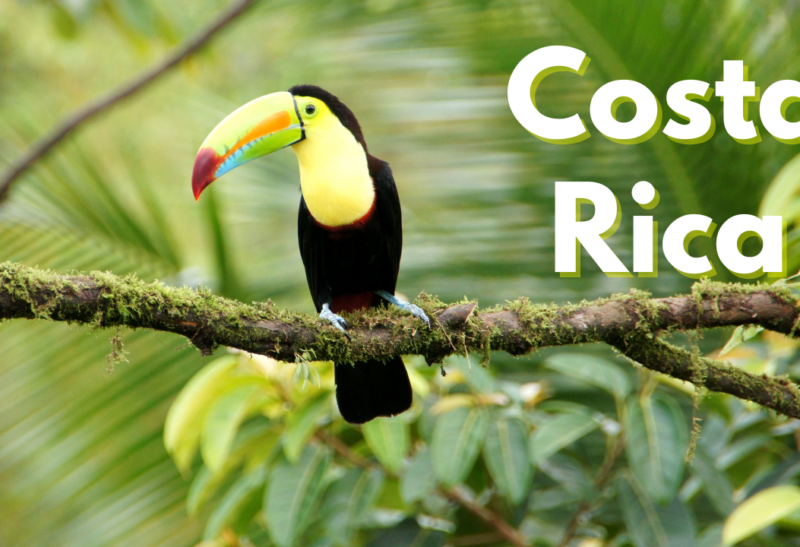
Welcome to Costa Rica, a place where verdant jungles meet white-sand beaches, where locals warmly greet you with a cheerful “Pura Vida,” and where sloths and toucans are practically waiting to pose for a photo. Costa Rica is more than just a destination; it’s a way of life. Located in Central America, between Nicaragua to the north and Panama to the south, Costa Rica is a haven for those seeking nature, adventure, and a splash of laid-back, tropical bliss.
Known for its biodiversity, Costa Rica’s geography ranges from mountainous regions and lush rainforests to volcanoes, rivers, and two stunning coastlines along the Caribbean Sea and the Pacific Ocean. This small country has become famous worldwide for its dedication to environmental preservation, with around 25% of its land protected by national parks and reserves. Here, you’ll find hundreds of species of birds, reptiles, and mammals – including the iconic jaguar and the elusive quetzal.
The people of Costa Rica, known as “Ticos,” are friendly, relaxed, and proud of their country’s commitment to peace and conservation. Spanish is the official language, but don’t worry if you’re not fluent; many Costa Ricans, especially in tourist areas, are happy to speak English. As for the food, expect a delightful mix of fresh fruits, hearty rice and beans, and delicious local dishes like gallo pinto (a savory rice-and-bean combo often served for breakfast) and casado (a filling lunch plate with meat or fish, rice, beans, salad, and fried plantains).
To enter Costa Rica, all you need is a valid passport if you’re coming from the U.S., Canada, or the EU, and you’ll be granted a tourist visa on arrival that allows you to stay for up to 90 days. No lengthy visa applications or extra fees required – just make sure your passport is good for at least six months beyond your arrival date.
Top Attractions in Costa Rica
Costa Rica offers plenty of unforgettable attractions, from misty cloud forests to bustling beach towns. Here are five you absolutely shouldn’t miss.
Arenal Volcano Towering over the town of La Fortuna, Arenal Volcano is one of Costa Rica’s most famous natural landmarks. Though it’s no longer actively erupting, Arenal still makes for a fantastic visit with its surrounding hot springs, waterfalls, and trails. Explore the lush rainforest, soak in a natural hot spring, or take a thrilling zipline tour with the towering volcano as your backdrop.
Monteverde Cloud Forest Reserve For nature lovers and bird watchers, Monteverde Cloud Forest is a must. Nestled high in the mountains, this mystical reserve is blanketed by clouds, providing a cool, misty atmosphere that supports an astonishing diversity of plants and animals. Go for a hike, spot the brilliantly colored resplendent quetzal, or take a walk on the hanging bridges to see the forest canopy up close.
Manuel Antonio National Park Manuel Antonio is the place where jungle meets beach in the best possible way. Known for its picturesque beaches, lush forest, and abundant wildlife, it’s one of the smallest but most popular national parks in the country. You might spot white-faced capuchin monkeys, sloths, and iguanas along the trails before cooling off at one of the park’s gorgeous beaches.
Tortuguero National Park Often called the “Amazon of Costa Rica,” Tortuguero is a unique destination accessible mainly by boat. It’s one of the most important nesting grounds for sea turtles, particularly from July to October when thousands of green turtles come ashore to lay their eggs. Take a guided tour through the canals to spot turtles, caimans, and dozens of bird species.
Corcovado National Park For the truly adventurous, Corcovado is as wild as it gets. Located on the remote Osa Peninsula, this rugged park is home to a staggering amount of biodiversity. Spot jaguars, tapirs, and scarlet macaws in one of the world’s most biologically intense places. This park is perfect for those looking to venture off the beaten path and connect deeply with nature.
Things to Do in Costa Rica
Whether you’re a thrill-seeker, a nature lover, or a beach bum, Costa Rica has something for everyone. Here are some top activities:
Zip Lining: With dense forests and towering trees, Costa Rica is one of the world’s best places to try zip lining. Zooming through the canopy, high above the jungle, offers an adrenaline rush with an unbeatable view.
Surfing: Costa Rica’s Pacific coast is a surfing paradise, with breaks suitable for both beginners and seasoned pros. Check out Tamarindo or Jaco for some of the best waves, surf schools, and a friendly surf culture.
Hiking: With so many national parks and reserves, Costa Rica has no shortage of hiking opportunities. Trails range from easy strolls to challenging treks that reward hikers with waterfalls, scenic vistas, and wildlife sightings.
Wildlife Watching: From sloths and monkeys to toucans and crocodiles, Costa Rica is a wildlife wonderland. Opt for a guided tour to maximize your chances of seeing elusive creatures.
Coffee Tour: Costa Rica is renowned for its high-quality coffee, so why not visit a local coffee plantation? Learn about the entire process, from bean to cup, and sample some of the freshest coffee you’ll ever taste.
Best Time to Visit Costa Rica
The best time to visit Costa Rica largely depends on what you want to do. The dry season, from December to April, is perfect for beach-goers and outdoor activities, with plenty of sunshine and warm weather. However, it’s also the most popular time for tourists, so be prepared for bigger crowds and higher prices.
The rainy season, or “green season,” runs from May to November. Though you can expect regular afternoon showers, this season has its perks – lush landscapes, fewer tourists, and lower prices. Plus, if you’re planning a visit to the Caribbean side (like Tortuguero), this time of year offers some of the best weather. For those interested in seeing sea turtles, the green turtle nesting season occurs between July and October.
Who is Costa Rica For?
Costa Rica is perfect for just about everyone! Are you an adventure junkie? You’ll love the zip lining, surfing, and hiking. More of a beach bum? The country has some of the best beaches in Central America. Wildlife lover? Costa Rica’s national parks are teeming with exotic creatures, making it a paradise for animal enthusiasts and budding photographers.
It’s also fantastic for families, with plenty of kid-friendly attractions and tours, as well as honeymooners looking for romance, relaxation, and stunning scenery. Costa Rica caters to all kinds of travelers – whether you’re looking to go off-grid in a remote eco-lodge, indulge in a luxurious resort, or backpack from beach town to beach town.
Costa Rica is a destination that leaves a lasting impression, whether it’s the towering peaks of Arenal, the misty Monteverde forest, or the vibrant colors of Manuel Antonio’s beaches. It’s a place where you can reconnect with nature, let loose, and embrace the “Pura Vida” way of life. So pack your bags, brush up on your Spanish (or just learn “Pura Vida”), and prepare for a memorable, heartwarming adventure in one of the world’s most spectacular countries. Costa Rica awaits!