Category: Travel Guide

Top 10 Beach Destinations in the Caribbean

The Caribbean is synonymous with paradise, boasting some of the world’s most stunning beaches characterized by crystal-clear waters, soft white sands, and a rhythm of life that seems to move to the soothing sounds of the ocean. Whether you’re looking for a secluded getaway, vibrant cultural experiences, or aquatic adventures, the Caribbean islands offer a sun-drenched oasis for every type of traveler. In this article, we explore the top 10 beach destinations in the Caribbean, each offering a unique slice of paradise.

1. Grace Bay, Providenciales, Turks and Caicos

Grace Bay in Providenciales is often topping lists of the world’s best beaches, and it’s easy to see why. This hallmark of Caribbean beauty stretches over three miles of soft, white sand and is bathed by a mesmerizing turquoise sea. The coral reef just offshore protects the bay from the swells of the open sea, making it an ideal spot for swimming and snorkeling with an abundant array of colorful marine life.

2. Varadero Beach, Cuba

Varadero Beach is one of Cuba’s most famous tourist attractions, offering 20 kilometers of unbroken sandy beach. It has all the elements of a tropical paradise along with all-inclusive resorts that line its edges, ensuring that every need is catered to. Beyond the beach, the town of Varadero offers vibrant music scenes and numerous attractions, including caves and a network of ecological reserves.

3. Eagle Beach, Aruba

Eagle Beach in Aruba epitomizes Caribbean beach life, with its broad and long stretch of white powdery sand and clear, sparkling turquoise waters. It’s famous for its picturesque Fofoti trees, which lean towards the Caribbean Sea, providing iconic scenery and shade. Apart from its natural beauty, Eagle Beach is less crowded than other popular beaches in Aruba, offering a more serene and intimate experience.

4. Seven Mile Beach, Grand Cayman, Cayman Islands

Despite its name, Seven Mile Beach is actually only about 5.5 miles long, but what it lacks in length, it more than makes up for in sheer beauty and the breadth of amenities available. This coral-sand beach is the most famous in the Cayman Islands and is free of rocks, seaweed, and pollution. The clear waters and coral sands attract tourists and snorkelers in droves for its vibrant underwater life and luxurious resorts.

5. Trunk Bay, St. John, US Virgin Islands

Trunk Bay, located in the Virgin Islands National Park on St. John, is not only beautiful but also historically rich. It is famed for its underwater snorkeling trail and stunning, powdery sand. The beach’s clear, turquoise waters and lush green backdrop make it a picturesque setting that feels like a step into a postcard. The bay’s facilities are well-developed, offering a great mix of natural beauty and convenience.

6. Pink Sands Beach, Harbour Island, Bahamas

Harbour Island is renowned for its stunning Pink Sands Beach, which stretches for some three miles and is up to 100 feet wide in places. The sand’s unique pale pink color comes from finely pulverized coral and shells mixing with the sand, creating a natural phenomenon that’s a delight to see and feel underfoot. The beach faces the Atlantic and offers excellent swimming conditions protected by a coral reef.

7. The Baths, Virgin Gorda, British Virgin Islands

The Baths represent a beach experience quite unlike any other. Known for its unique geological formations, the area is strewn with huge granite boulders which form scenic grottoes and pools on the beach’s edge. The Baths are not only a fantastic place to swim and snorkel but also an adventure to explore, with hidden rooms and pools revealing themselves among the tunnels that wind through the rocks.

8. Shoal Bay, Anguilla

Shoal Bay in Anguilla could easily be considered the quintessential Caribbean beach. Stretching over two miles of soft white sand, the beach is often highlighted by travel aficionados as one of the best in the region. The clarity of the water and its gradation from turquoise to deep blue make Shoal Bay a snorkeling paradise. Beach bars, loungers, and umbrellas dot the landscape, offering a comfortable beach day experience.

9. Palm Beach, Aruba

Another gem from Aruba, Palm Beach is known for its glamorous atmosphere, with high-rise hotels and various water sports juxtaposed against its pristine white sand and turquoise waters. It’s a hub for tourists seeking a lively beach scene, complete with water skiing, parasailing, and boat tours. The beach is also perfect for those who enjoy a sunset stroll along its lengthy shores.

10. Anse Chastanet, St. Lucia

Nestled amidst lush hillsides and the iconic Pitons, Anse Chastanet in St. Lucia offers an escape to those looking to immerse themselves in nature. The beach’s dark, silvery sand and clear waters are surrounded by coral reefs teeming with marine life, making it an excellent spot for snorkeling and diving. The secluded nature of the beach makes it an idyllic spot for romance or a peaceful retreat.

Conclusion

The Caribbean is a region of unmatched beauty, with each island and beach telling its own unique story through its landscapes, waters, and cultural rhythms. Whether you’re sunbathing on the silvery sands of St. Lucia, snorkeling in the clear waters of the Cayman Islands, or soaking up the historic and vibrant atmosphere of Cuba, the Caribbean offers a perfect patch of sand for every type of beachgoer. These top ten beaches, with their stunning natural beauty and vibrant atmospheres, are just the beginning of what this sun-kissed region has to offer.

Travel Scams Around the World and How to Avoid Them

Traveling opens doors to new experiences, cultures, and memories. However, it can also expose tourists to less savory experiences, particularly scams. From the cobbled streets of European capitals to the bustling markets of Southeast Asia, scammers often target unsuspecting travelers. This comprehensive guide delves into common travel scams across popular tourist destinations worldwide and provides practical tips to avoid falling victim, ensuring your travel experiences remain positive and safe.

Travel Scams to Look Out for

The Bait and Switch: A Classic in Retail and Rentals

Common Areas: Worldwide, especially in tourist-heavy cities.

How It Works: Scammers advertise services, goods, or accommodations at an attractive price. However, the actual product is significantly different and usually of lower quality. For example, a charming apartment listed online may turn out to be a decrepit room.

How to Avoid:

  • Research thoroughly: Check reviews and ratings on multiple platforms before booking.
  • Verify authenticity: Use Google Maps to confirm the location and legitimacy of the rental or business.
  • Pay through secure channels: Use credit cards or reputable payment platforms for bookings.

The Overpriced Taxi Fare: Meter Mayhem

Common Areas: Major cities worldwide.

How It Works: Taxi drivers near airports or tourist spots may not use the meter and instead charge inflated rates. Alternatively, they claim the meter is broken to negotiate a higher fare.

How to Avoid:

  • Insist on the meter: Always ask the driver to use the meter before starting the journey.
  • Use reputable taxi apps: Apps like Uber or local equivalents provide price transparency and safety.
  • Know the general cost: Research approximate fares between your destinations to negotiate better.

The Friendly Stranger: Too Good to Be True

Common Areas: Europe, Asia, South America.

How It Works: A seemingly friendly local or fellow traveler strikes up a conversation and eventually offers to show you around, leading you to a specific shop, restaurant, or bar where you end up with an inflated bill.

How to Avoid:

  • Politely decline unsolicited help: It’s okay to say no to offers from overly friendly strangers.
  • Stick to public places: If you do accept local advice, stay in public areas.
  • Trust your instincts: If something feels off, trust your gut and remove yourself from the situation.

The Fake Official: Authority Figures Impersonated

Common Areas: Popular tourist spots in Europe, Asia, Africa.

How It Works: Scammers dress as police officers or other officials and demand to check your wallet for counterfeit bills or ask for your passport, using the opportunity to steal money.

How to Avoid:

  • Ask for identification: Always ask to see their identification and scrutinize it.
  • Never hand over your wallet: If they insist on inspecting something, you do it yourself.
  • Know the real protocols: Familiarize yourself with local laws—real officers rarely ask to inspect cash or documents on the street.

The Distracted Tourist: Pickpockets and Bag Snatchers

Common Areas: Crowded urban environments, public transport, and tourist landmarks.

How It Works: Thieves work in teams; one distracts you, often with a map or a spill on your clothing, while another steals your belongings.

How to Avoid:

  • Be aware of your surroundings: Keep your belongings secure and be cautious of overly helpful strangers.
  • Use anti-theft bags: Invest in a theft-proof backpack or purse.
  • Limit what you carry: Only take essentials when you head out, leaving valuables in a safe at your accommodation.

The Fake Petition: A Signature for Deception

Common Areas: Popular in European cities like Paris and Rome.

How It Works: Scammers, often pretending to be deaf or to represent a charity, ask you to sign a petition. While you’re distracted, they or their accomplices pick your pockets.

How to Avoid:

  • Don’t engage: Walk away from anyone asking you to sign anything on the street.
  • Keep your personal space: Maintain a physical distance from strangers who approach you.

The Broken Camera: A Photo for a Fee

Common Areas: Worldwide, particularly in scenic or historic spots.

How It Works: A tourist asks for help taking a picture with their camera or phone. Once you help, the camera or phone is either dropped (and broken), and they demand compensation, or they run off with your device when you hand it back.

How to Avoid:

  • Offer to take a picture with your camera: Then share it via email or airdrop.
  • Handle others’ devices with caution: Ensure you are in a safe position where accidental drops are unlikely.
  • Be cautious with your device: Keep a secure grip if you hand it over for a picture.

The Counterfeit Currency: Change Isn’t Always Good

Common Areas: Asia, Africa, and South America.

How It Works: Merchants or taxi drivers give you change with counterfeit currency, exploiting unfamiliar tourists who may not recognize fake bills.

How to Avoid:

  • Familiarize yourself with the currency: Before you travel, look up what the local currency should look like.
  • Use small bills: Try to have smaller denominations to avoid needing change.
  • Check your change: Do it immediately before leaving the place where you received it.

Travel is meant to be an enriching experience, opening your eyes to new cultures and landscapes. By staying informed and vigilant, you can protect yourself from common scams and focus on what truly matters—creating unforgettable memories in some of the world’s most incredible destinations.


Exploring Portugal: Best Destinations, Travel Tips, & Hidden Gems You Can’t Miss!

Ancient History Meets Modern Charm

Portugal, a country nestled on the western edge of Europe, is a remarkable blend of ancient history and modern charm. Despite its small size, Portugal offers a vast diversity of landscapes—from the rolling vineyards of the Douro Valley to the bustling streets of Lisbon. Known for its cobblestone paths, cliffside beaches, vibrant cities, and welcoming locals, Portugal serves up an unbeatable mix of stunning landscapes, delicious food, and rich culture.

Visiting Portugal

A Geographical and Cultural Tapestry

Portugal’s geography is beautifully diverse, bordered by the Atlantic Ocean to the west and south, featuring some of Europe’s most beautiful coastlines. The Portuguese people are proud of their heritage and speak the melodious Portuguese language, a romance language that’s pleasing to the ear. The culture here blends traditional folk festivals with modern nightlife, creating a dynamic and engaging environment.

Cuisine and Music: A Feast for the Senses

Portuguese cuisine is renowned for its fresh seafood, particularly dishes featuring ‘bacalhau’ or cod, and the delightful ‘pastéis de nata,’ custard tarts that are a local favorite. Music, particularly Fado, offers a soulful and nostalgic genre that captivates both locals and visitors alike.

Portugal’s Rich History

Portugal’s journey to independence began in 1139, establishing it as one of Europe’s oldest nations with stable borders. The country later emerged as a powerhouse during the Age of Exploration, pioneering maritime routes and exploring lands as far away as Brazil, Africa, and India.

Travel Essentials

For travel, all you need is a valid passport. Citizens from the United States, Canada, and the EU do not need a visa for stays under 90 days, though it’s always wise to double-check entry requirements before embarking on your journey.

Must-See Attractions in Portugal

Iconic Sites and Hidden Gems

Lisbon’s Belém Tower

This iconic tower is a symbol of Portugal’s Age of Discovery. Constructed in the early 16th century, the Belém Tower is a stunning example of Manueline architecture. Located on the Tagus River, it offers incredible views and is perfect for lovers of history and scenic photography.

Pena Palace

Perched atop a hill in the Sintra Mountains, Pena Palace is like a fairy tale come to life. Its vibrant colors, whimsical architecture, and breathtaking views make it one of Portugal’s most popular destinations. Sintra is also a UNESCO World Heritage Site, and the palace itself is a great example of 19th-century Romanticism.

Douro Valley

Famous for its terraced vineyards and delicious wines, the Douro Valley is a stunning area in northern Portugal. This UNESCO-listed site is home to some of the country’s best wineries, and a river cruise through the valley offers unforgettable views of the scenic landscape.

Porto’s Ribeira District

Known for its colorful buildings, winding streets, and charming riverside cafes, Porto’s Ribeira District is perfect for travelers who love exploring historic cities. Enjoy a stroll along the Douro River, cross the iconic Dom Luis I Bridge, and indulge in some wine tasting at one of Porto’s many cellars.

Algarve’s Coastline

For those in need of sun and sand, the Algarve region in southern Portugal boasts some of the most beautiful beaches in Europe. Known for its golden cliffs, crystal-clear waters, and quaint fishing villages, the Algarve is ideal for anyone looking to relax and enjoy the Atlantic coastline.

Famous People from Portugal

Portugal has produced some internationally acclaimed figures, including Cristiano Ronaldo, a global soccer superstar, and Fernando Pessoa, a literary genius. The country is also famous for its pioneering explorers like Vasco da Gama and Ferdinand Magellan, and in the music world, Amália Rodrigues, an iconic Fado singer, has left a lasting impact on Portuguese culture.

Things to Do in Portugal

Activities for Every Interest

From relaxing on the beach to hiking ancient trails, Portugal offers a wide range of activities. Take a tram ride in Lisbon, sample pastéis de nata, attend a Fado show, go surfing in Ericeira, or enjoy wine tasting in the Douro Valley.

Best Time to Visit Portugal

The best time to visit depends on what you’re looking for. For warm beach weather, visit between June and September. For fewer crowds and milder weather, spring and fall are ideal. The winter months are great for budget travelers, as accommodation and flight prices tend to drop.

Conclusion: A Destination for All

Portugal is a vibrant destination rich in culture, history, and natural beauty. Whether you’re exploring Lisbon, sipping port wine in the Douro Valley, or relaxing on the beaches of the Algarve, Portugal offers an experience you’ll never forget. With friendly locals, delicious food, and a laid-back vibe, it’s no wonder Portugal has become a top choice for travelers worldwide.

10 Best Places to Visit in Thailand

Thailand, often called the “Land of Smiles,” is a traveler’s paradise where ancient tradition meets modern adventure. From the vibrant hustle of Bangkok to the serene beaches of Phuket, this Southeast Asian gem has something for everyone. If you’re looking for the ultimate Thai adventure, we’ve got you covered. Here are the 10 best places to visit in Thailand that promise to leave you inspired, amazed, and ready to plan your next trip.

10 Best Places to Visit in Thailand

1. Bangkok: The City that Never Sleeps

Bangkok, Thailand’s bustling capital, is a sensory overload in the best way possible. The city is a unique blend of ultra-modern skyscrapers, historic temples, and colorful street markets. Here’s what you can’t miss:

  • Visit the Grand Palace: This iconic landmark is a symbol of Thailand’s rich history and culture.
  • Street Food Tour: Taste authentic Pad Thai, mango sticky rice, and other delicacies at the famous Chatuchak Weekend Market.
  • Experience the Nightlife: From rooftop bars to the legendary Khao San Road, Bangkok’s nightlife scene is world-renowned.
  • Ride a Tuk-Tuk: For a quintessential Bangkok experience, hop on a tuk-tuk and zip through the city’s traffic.

2. Chiang Mai: The Cultural Heart of Thailand

If you’re craving a slower pace with a cultural twist, Chiang Mai is your go-to destination. Located in northern Thailand, this city is famous for its temples, lush green surroundings, and unique festivals.

  • Explore Temples: Visit Wat Phra Singh, Wat Chedi Luang, and the stunning Doi Suthep Temple.
  • Join the Yi Peng Lantern Festival: Witness the night sky light up with thousands of floating lanterns—an experience you’ll never forget.
  • Visit an Elephant Sanctuary: Interact ethically with elephants in sanctuaries committed to their well-being.
  • Shop at the Night Bazaar: Pick up souvenirs, handmade crafts, and delicious local street food.

3. Phuket: Island Paradise

Phuket is the largest and most famous island in Thailand, known for its white-sand beaches, vibrant nightlife, and luxury resorts. Here’s how to make the most of your trip:

  • Relax on Patong Beach: Enjoy the sun, sea, and sand at Phuket’s most popular beach.
  • Take a Boat Tour: Visit nearby islands like Phi Phi Islands and James Bond Island.
  • Explore the Big Buddha: This iconic landmark offers panoramic views of the island.
  • Snorkel and Scuba Dive: Discover vibrant coral reefs and exotic marine life.

4. Ayutthaya: A Step Back in Time

Travel back in time to Ayutthaya, a UNESCO World Heritage Site that once served as Thailand’s capital. This open-air museum is perfect for history buffs and travelers looking for a more tranquil experience.

  • Discover Ancient Ruins: Visit iconic sites like Wat Mahathat, where a Buddha’s head is entwined in tree roots.
  • Take a Boat Tour: Cruise around the island’s historic sites for a unique perspective.
  • Rent a Bicycle: Explore the ruins at your own pace on two wheels.

5. Krabi: Where Adventure Meets Serenity

If you’re looking for dramatic landscapes and outdoor adventure, Krabi will steal your heart. This coastal province is a playground for nature lovers and thrill-seekers alike.

  • Relax on Railay Beach: Accessible only by boat, this beach is surrounded by towering limestone cliffs.
  • Go Rock Climbing: Test your limits on Krabi’s world-famous climbing routes.
  • Island Hopping: Explore nearby gems like Koh Phi Phi, Koh Hong, and Koh Lanta.
  • Kayak Through Mangrove Forests: Discover hidden lagoons and serene waterways.

6. Sukhothai: Thailand’s First Kingdom

Sukhothai is a lesser-known gem that’s steeped in history. If you’re a fan of ancient ruins, this place is a must-visit.

  • Visit Sukhothai Historical Park: Wander through 13th-century temples, Buddha statues, and ancient city ruins.
  • Sunrise Photography: Catch the golden glow of sunrise over the ruins for a magical photo opportunity.
  • Cycle Through the Park: Rent a bicycle and explore the historical site at your own pace.

7. Koh Samui: The Island of Glamour

Koh Samui is synonymous with luxury, romance, and relaxation. It’s the ultimate destination for honeymooners, beach lovers, and anyone seeking the finer things in life.

  • Stay in a Private Villa: Treat yourself to a luxurious beachfront villa.
  • Visit Big Buddha Temple: This 12-meter-tall golden Buddha is a major landmark.
  • Chase Waterfalls: Hike to Namuang Waterfalls for a refreshing swim.
  • Party at the Full Moon Party: Though technically on Koh Phangan, it’s just a short boat ride away.

8. Pai: The Hidden Gem of Northern Thailand

If you’re looking for a more off-the-beaten-path experience, head to Pai. This small town is known for its relaxed vibe, scenic beauty, and quirky charm.

  • Visit Pai Canyon: Hike along narrow trails with stunning valley views.
  • Soak in Hot Springs: Relax in the natural hot springs surrounded by lush jungle.
  • Chase Waterfalls: Explore nearby waterfalls like Mo Paeng Waterfall and Pam Bok Waterfall.
  • Visit the Night Market: Try delicious street food and shop for bohemian crafts.

9. Similan Islands: A Diver’s Paradise

For diving enthusiasts, the Similan Islands are heaven on Earth. Located in the Andaman Sea, this archipelago is one of the best diving spots in the world.

  • Scuba Dive and Snorkel: Discover vibrant coral reefs, sea turtles, and colorful fish.
  • Relax on Pristine Beaches: Enjoy crystal-clear waters and powdery white sand.
  • Take a Boat Tour: Hop from island to island for incredible snorkeling and scenic views.

10. Chiang Rai: The White Temple Wonder

Chiang Rai may be small, but it’s home to one of Thailand’s most iconic landmarks—Wat Rong Khun, also known as the White Temple.

  • Visit Wat Rong Khun (White Temple): This modern masterpiece of art and architecture will leave you speechless.
  • See the Blue Temple (Wat Rong Suea Ten): This lesser-known gem is equally stunning with its vibrant blue hues.
  • Check Out the Black House (Baan Dam Museum): Discover a collection of dark, unconventional art and architecture.

Final Thoughts

Thailand’s beauty, history, and adventure await you. From bustling cities to serene islands, each destination on this list offers something truly unique. Whether you’re planning a once-in-a-lifetime trip or simply dreaming of your next getaway, these 10 destinations deserve a spot on your travel bucket list.

Which of these incredible places will you visit first? Let us know in the comments below. And if you’re ready to plan your trip, don’t forget to bookmark this guide, share it with your friends, and start packing for your unforgettable Thai adventure!


15 Countries African Americans are Safe and Welcomed


Countries African Americans feel the safest travelling to.

Introduction to Welcoming Destinations

When exploring the globe, many African Americans seek destinations that offer breathtaking landscapes and a sense of safety, acceptance, and cultural connection. Fortunately, numerous countries are not only welcoming but also provide a genuine sense of comfort and belonging. This guide dives into 15 amazing countries that promise unique experiences, vibrant cultures, and a safe environment for black travelers.

Ghana: The Gateway to Africa

Ghana is often heralded as the gateway to Africa. This West African gem boasts a rich history that resonates deeply with the African diaspora. With its tropical climate, featuring distinct wet and dry seasons, it is an inviting destination for those looking to connect with their roots. The people of Ghana are known for their warmth and hospitality, fostering a communal and inclusive atmosphere. Key attractions include the sobering but essential Cape Coast Castle and Elmina Castle, significant for their roles in the transatlantic slave trade.

Additionally, the bustling city of Accra offers cultural experiences such as traditional markets, live music, and significant landmarks like the Independence Arch. Ghana’s flavorful cuisine, featuring staples like jollof rice and fufu, and initiatives like the Year of Return further cement its status as a top destination for African Americans seeking cultural and historical connections.

Costa Rica: A Peaceful Paradise

Costa Rica, a Central American paradise, is celebrated for its lush rainforests, stunning beaches, and commitment to peace and sustainability, having abolished its military decades ago. The Afro-Caribbean influence is especially vibrant along the Caribbean coast, particularly in Limón, where African heritage is celebrated through music, dance, and festivals.

Costa Ricans, known as Ticos, embrace a lifestyle centered around “Pura Vida” (Pure Life), emphasizing happiness and simplicity. Visitors can indulge in Afro-Caribbean dishes such as rice and beans cooked in coconut milk, while also enjoying the country’s myriad adventure activities like ziplining, hiking, and wildlife watching.

Thailand: The Land of Smiles

Known as the Land of Smiles, Thailand offers a welcoming atmosphere characterized by the Thai people’s kindness and curiosity. The tropical climate varies from hot summers to monsoon rains, making it a year-round destination. Thailand’s bustling cities like Bangkok feature vibrant markets, ornate temples, and thrilling nightlife, while serene destinations like Chiang Mai provide a chance to explore lush jungles and ancient sites.

Thai cuisine, famous for its balance of flavors, includes must-try dishes like Pad Thai and green curry. Thailand’s affordability, rich culture, and the respectful nature of its people make it an ideal destination for travelers seeking both adventure and relaxation.

Portugal: A Blend of Beauty and History

Portugal captivates visitors with its stunning coastline, historic architecture, and Mediterranean climate. African-Americans often feel comfortable here due to the country’s low crime rates and openness to diversity. Lisbon, the capital, is a vibrant hub of culture with historic trams, Fado music, and neighborhoods rich in character like Alfama. Porto, known for its wine, and the Algarve’s beautiful beaches add to the country’s appeal.

Portuguese cuisine, highlighted by dishes like bacalhau (salted cod) and pastéis de nata (custard tarts), offers delightful culinary experiences. Portugal’s historical connections with African nations add an interesting cultural layer, making it a meaningful destination for exploration.

South Africa: A Fusion of Culture and Nature

South Africa offers a compelling blend of natural beauty, history, and cultural diversity that deeply resonates with African Americans. The climate varies widely, from Mediterranean in the Cape to subtropical in the east, providing year-round travel opportunities. Iconic locations like Cape Town’s Table Mountain and Robben Island, where Nelson Mandela was imprisoned, offer unforgettable experiences. Johannesburg, often called “Jo’burg,” is a dynamic city with museums and galleries celebrating South Africa’s fight for freedom.

The local cuisine is as diverse as its people, with dishes like biltong, spiced meat, and braai, a traditional barbecue. South Africa’s strong ties to the African diaspora, coupled with its vibrant cities and breathtaking landscapes, make it a must-visit destination.

Japan: A Blend of Tradition and Modernity

Japan, often an unexpected haven for African-Americans, thrives on a culture steeped in respect and hospitality. Known for its varying climate, the country offers snowy winters in Hokkaido, vibrant cherry blossoms in the spring, and warm summers in Okinawa. The contrast between ultramodern cities like Tokyo and historic areas like Kyoto provides a rich tapestry of experiences for visitors.

Japanese cuisine, with favorites such as sushi, ramen, and mochi, highlights the nation’s culinary excellence. Beyond its safety and cultural richness, Japan’s efficient public transportation and highly organized cities make it an easy and enjoyable country to explore. The respectful nature of the Japanese people often leads to positive interactions, making travelers feel welcomed and valued.

Jamaica: The Heartbeat of the Caribbean

Jamaica, with its iconic reggae culture and tropical climate, is another Caribbean gem that warmly embraces African-Americans. The island’s African heritage is celebrated through its music, dance, and festivals, creating a vibrant cultural milieu. Visitors can enjoy the stunning beaches of Montego Bay, the lively atmosphere of Kingston, and natural wonders like Dunn’s River Falls.

Jamaican cuisine is bold and flavorful, featuring dishes like jerk chicken, ackee and saltfish, and beef patties. The island’s friendly people and laid-back vibe create a relaxing environment, making Jamaica a favorite destination for those looking to unwind and immerse themselves in rich Caribbean culture.

Canada: A Mosaic of Cultural Diversity

In North America, Canada offers a multicultural experience that is hard to match. From the majestic Rocky Mountains to bustling urban centers like Toronto and Montreal, Canada offers a diverse range of attractions. The country is celebrated for its progressive values and low crime rates, providing a safe environment for visitors.

African-American travelers often find comfort in the diversity of Canadian cities, where communities from all over the world coexist harmoniously. The food scene is just as diverse, ranging from local specialties like poutine to a wide array of international cuisines. Canada’s emphasis on inclusivity and welcoming attitude make it a wonderful destination for a worry-free and enriching trip.

Trinidad and Tobago: A Cultural Powerhouse

Trinidad and Tobago, a twin island nation in the Caribbean, is known for its elaborate Carnival—the most vibrant in the region. This celebration of music, dance, and colorful costumes is deeply rooted in African and Indian traditions, reflecting the islands’ multicultural heritage. The tropical climate, stunning beaches, and lush rainforests attract nature lovers and adventure seekers alike.

The African heritage of Trinidad and Tobago is celebrated through food, music, and festivals, with steel pan music, calypso, and soca playing integral roles in the island’s cultural identity. The warmth of the people and the islands’ robust cultural expressions make Trinidad and Tobago an unforgettable destination for travelers seeking a deep cultural connection and festive atmosphere.

Conclusion: A World of Opportunities

These countries are just a few of the incredible destinations that offer a welcoming embrace for African-American travelers. Whether you’re looking to connect with your roots, dive into vibrant cultures, or simply enjoy beautiful scenery, these nations have something special in store. So pack your bags and get ready for an unforgettable adventure in these safe, culturally rich, and friendly environments.

The 10 Places in the World Americans Are Moving to the Most


The great American dream isn’t confined to its borders anymore. Many Americans are packing up their things, grabbing their passports, and making a new life abroad. Some are chasing adventure, while others are running from sky-high rent or winter that overstays its welcome. 

After the 2024 election, conversations around expatriation have intensified as people seek alternatives to a polarized political landscape.

It’s not just politics driving this trend, though. Rising costs of living, concerns about healthcare access, and a longing for adventure are all part of the equation. With remote work making it easier to earn a living from anywhere, many Americans realize they don’t need to be tethered to the U.S. For some, it’s about finding a place where the pace of life matches their ideals, or where their dollar stretches further.

In this new global reality, people aren’t just dreaming about a better life—they’re actively researching, planning, and moving to countries that align with their hopes for the future. Whether it’s sipping coffee in a Parisian café, hiking the jungles of Costa Rica, or immersing themselves in the culture of Vietnam, Americans are proving that life doesn’t have to be limited by borders.

Wherever the reason lies, these ten destinations are some of the most popular spots Americans are choosing to call home.

First on our list…

1. Mexico: The Neighbor We Can’t Resist

Mexico has always been a favorite getaway, but for many Americans, it’s becoming home sweet home. Why? Start with its proximity—Mexico is like that reliable friend who lives just down the street. No 14-hour plane rides are required! Whether you’re retiring or working remotely, Mexico offers an affordable lifestyle with costs often half of what you’d spend in the U.S.

Expats adore cities like Mérida, with its colonial charm and low crime rates, or Puerto Vallarta, where beach life is a daily reality. Then there’s Mexico City, a cosmopolitan hub that mixes centuries-old traditions with modern-day luxuries. The culture is vibrant, the people are warm, and the food? Let’s just say your Taco Tuesday budget stretches a lot further here.

Visas are relatively easy for Americans to snag. The Temporary Resident Visa allows you to stay up to four years, and income requirements are manageable for most middle-class Americans.


2. Portugal: Europe’s Sunny Sweetheart

If Europe is a treasure chest, Portugal might just be the golden coin. It’s affordable, friendly, and dripping with charm. Americans flock here for the mild weather, stunning beaches, and a pace of life that whispers, “Relax.”

Lisbon, the capital, has a dynamic arts scene and breathtaking views from its hilltop neighborhoods. If you’re more about wine and quiet evenings, Porto delivers with a riverside charm that feels like a movie set. And for those who want all the sunshine,  Algarve offers golden beaches and friendly locals who might just convince you to stay forever.

Portugal’s cost of living is roughly 30-50% cheaper than in the U.S., and the D7 Visa makes it especially appealing. With a steady income or savings, you could be enjoying freshly baked pastel de nata without worrying about breaking the bank.


3. Spain: Where Siesta Meets Fiesta

Spain is like the cool cousin who’s always having fun—and invites you along. The rhythm of life here is slower, yet its energy is infectious. Americans are drawn to cities like Barcelona, with its artistic flair and Mediterranean beaches, or Madrid, a hub of culture, history, and incredible tapas bars.

For a more relaxed vibe, Valencia offers affordability and a growing expat community. The cost of living in Spain is about 40% lower than in the U.S., making it an easy choice for budget-conscious Americans. Plus, public transportation is excellent, so you can live car-free if that’s your jam.

Learning Spanish certainly helps, but many locals are happy to meet you halfway. Visas, however, can be a bit tricky. The Non-Lucrative Visa is the most popular choice for retirees and remote workers, but be ready to prove your financial stability.


4. Costa Rica: Pura Vida Paradise

If you’ve ever dreamed of waking up to tropical rainforests and sipping coffee grown in your backyard, Costa Rica might just be your spot. Known for its “Pura Vida” lifestyle, this Central American gem attracts Americans looking for simplicity and serenity.

The capital, San José, is bustling and convenient, while Tamarindo and Nosara are all about beach vibes and surfing. Costa Rica’s commitment to sustainability is also a huge draw—its eco-tourism industry is second to none.

While Costa Rica isn’t the cheapest country on this list, it’s still more affordable than most places in the U.S. The Pensionado Program makes it relatively easy for retirees to gain residency, while digital nomads can apply for a new remote worker visa. The people here are incredibly friendly, and while Spanish is the main language, many locals speak English, especially in tourist-heavy areas.


5. Canada: Our Friendly Northern Neighbor

Moving to Canada feels a bit like leaving the house but staying in the yard. It’s close, familiar, and comes with universal healthcare! Americans head to cities like Toronto, a cultural melting pot with a skyline to rival New York’s, or Vancouver, where mountains and ocean meet in perfect harmony.

If you prefer quieter vibes, Nova Scotia offers charming towns and a laid-back coastal lifestyle. Canada’s cost of living can be high in major cities, but smaller towns and provinces are much more affordable.

Canadians are famously polite, and the shared language makes settling in easier. Residency options range from skilled worker programs to family sponsorship, but it’s a competitive process—bring your patience and your best hockey analogy.


6. Thailand: The Land of Smiles

Thailand isn’t just for backpackers anymore. Americans are moving here for the incredibly low cost of living, stunning landscapes, and rich culture. Chiang Mai is a favorite, offering a creative expat community and unbeatable street food. Meanwhile, Bangkok dazzles with its energy and world-class amenities. And for beach lovers, Phuket and Krabi are as postcard-perfect as it gets.

Living in Thailand costs about a quarter of what it would in the U.S., with apartments available for as little as $300 a month. Thai people are incredibly welcoming, and while learning the language helps, many locals in urban areas speak English. Long-term visas can be a challenge, but the Retirement Visa or Thailand Elite Visa are great options for those ready to stay awhile.


7. Vietnam: Adventure on a Budget

Vietnam is Southeast Asia’s rising star for expats, and Americans are falling head over heels. It’s affordable, bursting with culture, and offers landscapes that range from dramatic mountains to bustling cities.

Ho Chi Minh City is fast-paced and perfect for urbanites, while Hanoi blends tradition with modernity. For beach vibes, Da Nang and Nha Trang offer golden sands without the price tag of Hawaii. Monthly costs hover around $1,000, which includes rent, food, and even entertainment.

Vietnamese people are warm and hospitable, though learning basic phrases can go a long way in connecting with locals. Visa options include short-term tourist visas and longer-term work or retirement permits, making it accessible for a variety of lifestyles.


8. Italy: La Dolce Vita Awaits

Italy is like the eternal love affair Americans can’t quit. From Rome’s ancient ruins to Florence’s Renaissance beauty, every corner feels like a masterpiece. Smaller towns like Bologna or Sicily offer affordable living paired with unmatched charm.

While Italy’s cost of living can vary widely, smaller cities and rural areas are much cheaper than the U.S., especially when it comes to rent. Italian culture revolves around family, food, and savoring the moment, so prepare to slow down and enjoy life.

The Elective Residency Visa is popular for retirees, but digital nomads and remote workers often base themselves here temporarily on tourist visas.


9. Ecuador: Affordable Andean Adventure

Ecuador is perfect for those craving mountains, beaches, and everything in between. Cuenca, with its colonial architecture and expat-friendly vibe, is a favorite, while Quito offers big-city energy and incredible views. For those who dream of living by the ocean, Manta delivers with affordable beachside living.

Cost-wise, Ecuador is a steal—think $1,500 a month for a comfortable lifestyle, including rent, groceries, and even dining out. The people are warm, the climate is mild, and the country’s small size makes weekend trips to the Amazon or Galápagos Islands totally doable. Visas are relatively easy to obtain, with residency options for retirees, investors, and remote workers.


10. France: Sophistication and Charm

France might not scream “budget-friendly,” but outside Paris, the cost of living drops significantly. Americans are drawn to places like Provence, with its lavender fields and sunny lifestyle, or Lyon, a foodie’s paradise. Even smaller towns like Annecy, nestled by a pristine lake, are becoming expat favorites.

The French are known for their love of life—long lunches, quality wine, and a slower pace of living. Costs are about 25% lower than in major U.S. cities, and public transportation means you won’t need a car.

Visas for Americans can be tricky, but the Long-Stay Visitor Visa is a good option for retirees or remote workers looking to enjoy a slice of that joie de vivre.


Americans are finding new homes across the globe, drawn by adventure, affordability, and cultures that offer a fresh perspective on life. Whether you’re looking for the beach, the mountains, or the perfect blend of city and countryside, the world is full of incredible places to explore—and maybe even settle down.

So, which country calls to you? Pack your bags, learn a few phrases, and don’t forget to bring a sense of humor—it’s the best tool for navigating any new adventure.

Uncovering the Hidden Gems of Haiti: A Travel Guide to Paradise!

The people of Haiti are as warm as the Caribbean sun, with a unique culture and language that reflects their proud history. Haiti is the first independent Black republic in the world and the only nation established as a result of a successful slave revolt. French and Haitian Creole are the official languages, though in popular areas, you’ll find locals who speak English and Spanish as well. The local culture is rich with Afro-Caribbean influences, which you’ll feel in everything from the vibrant music and dance to the deliciously spicy food. Don’t be surprised if you hear the rhythms of kompa and rara music in the streets, or if the tantalizing aromas of griot (fried pork) and pikliz (spicy pickled vegetables) tempt you as you explore.

Historically, Haiti’s path to independence is nothing short of extraordinary. In 1804, Haiti became the first country in the Caribbean to gain independence after a successful revolution led by enslaved Africans against the French. The Haitian Revolution was a landmark event, as it remains one of the only successful slave revolutions in history, inspiring other independence movements around the world.

For travel, you’ll need a passport to enter Haiti, but tourists from the U.S., Canada, and the EU don’t require a visa for stays under 90 days. As with any travel destination, it’s always best to check up-to-date entry requirements before planning your trip.


Travel guide to Haiti

Must-See Attractions in Haiti

Haiti has some stunning spots that truly capture the soul of the island. Here are five must-see attractions that you should add to your itinerary:

  1. Citadelle Laferrière
    This massive mountaintop fortress is one of Haiti’s most iconic sites and a UNESCO World Heritage Site. Built-in the early 1800s to defend Haiti from potential French invasion, the Citadelle offers sweeping views of the surrounding mountains and coastline. It’s a stunning symbol of Haitian independence and resilience, and a must-see for history enthusiasts.
  2. Bassin Bleu
    Located near Jacmel, Bassin Bleu is a series of three deep blue waterfalls hidden in a tropical forest. Visitors can swim in the crystal-clear waters, dive from rocks, or relax on the banks surrounded by lush greenery. It’s a breathtaking natural escape and a favorite spot for both locals and tourists.
  3. Jacmel
    Known for its colonial architecture and thriving art scene, Jacmel is a coastal town that’s a true cultural gem. Its colorful streets are lined with French-inspired buildings, galleries, and vibrant murals. Jacmel is also famous for its annual Carnival celebrations, which showcase stunning papier-mâché masks and costumes.
  4. Île-à-Vache
    A small, idyllic island off Haiti’s southern coast, Île-à-Vache is a paradise for those looking to relax on pristine beaches away from the crowds. This peaceful island has no cars, adding to its charm, and is surrounded by clear waters perfect for snorkeling and swimming.
  5. Iron Market (Marché de Fer)
    Located in Port-au-Prince, the Iron Market is a bustling place where you can experience Haiti’s everyday culture. Here, you’ll find everything from handmade crafts and souvenirs to traditional Haitian spices, food, and art. It’s a wonderful place to experience local life and find unique items to take home.


Famous People from Haiti

Haiti has a rich legacy of influential figures who have made their mark in various fields. One of the most celebrated Haitians is Toussaint Louverture, a leader in the Haitian Revolution who played a key role in the fight for independence. Another influential figure is Jean-Jacques Dessalines, who declared Haiti’s independence and became the country’s first leader.

Haiti is also known for its contributions to the arts and music. Famous Haitian-American hip-hop artist Wyclef Jean has helped bring global awareness to Haitian culture, while author Edwidge Danticat has been a voice for Haitian experiences through her award-winning books. Haiti’s art world is also renowned, with painter Hector Hyppolite and sculptor Georges Liautaud being some of the most notable figures in Haitian visual arts.

Things to Do in Haiti

Haiti is full of unique activities that allow you to immerse yourself in the local culture and experience the natural beauty of the island. Here are a few recommendations for activities:

  • Explore Haitian Art: Haiti has a flourishing art scene, and visiting local galleries in Port-au-Prince or Jacmel is a must. The Nader Art Gallery and Atis Rezistans (an artist collective) offer fascinating pieces that capture the spirit of Haiti.
  • Taste Local Cuisine: Haitian cuisine is a delicious blend of Creole flavors with African and French influences. Try traditional dishes like legim (vegetable stew), soupe joumou (pumpkin soup), and banan peze (fried plantains). Visit local eateries or lakou (courtyard restaurants) for authentic experiences.
  • Attend a Festival: Haiti is known for its vibrant festivals. If you’re visiting in February, don’t miss Carnival in Jacmel, where you’ll see lively parades and creative costumes. In November, the Fête Gede celebrates Haiti’s version of the Day of the Dead with Voodoo rituals, music, and dance.
  • Go Hiking: Haiti has beautiful mountainous terrain, with hiking trails that offer amazing views. For an unforgettable experience, hike to the Citadelle Laferrière or explore the trails around Kenscoff near Port-au-Prince.
  • Scuba Diving and Snorkeling: The waters around Île-à-Vache and Côte des Arcadins offer some beautiful spots for snorkeling and diving, where you can see vibrant marine life and coral reefs.

Best Time to Visit Haiti

The best time to visit Haiti is during the dry season, which runs from November to March. This period brings pleasant temperatures, low humidity, and minimal rainfall, making it ideal for outdoor activities and beach days. Plus, visiting during this time means you may be able to experience Haiti’s colorful Carnival celebrations in February.

The rainy season typically lasts from April to October, bringing occasional heavy showers and humidity. If you’re planning a visit during these months, just be prepared for occasional rain, and note that hurricane season peaks from August to October.

Who is Haiti For?

Haiti is a fantastic destination for adventurous travelers who want to go beyond the typical tourist route and experience a unique Caribbean culture. The country is perfect for history enthusiasts, culture lovers, and those who enjoy connecting with local communities. If you’re someone who loves vibrant art scenes, breathtaking landscapes, and authentic cultural experiences, Haiti will feel like a treasure trove waiting to be discovered.

For accommodations, travelers who prefer all-inclusive convenience may want to look for beachside resorts in the Côte des Arcadins area, which offers a comfortable and relaxing environment with easy access to nearby attractions. However, for a more authentic experience, consider staying in a local guesthouse in Jacmel or Port-au-Prince, where you can immerse yourself in the local culture and explore Haiti beyond the resorts.

With its beautiful landscapes, rich history, and warm hospitality, Haiti is a destination that deserves a place on every travel lover’s list. From the majestic Citadelle to the vibrant arts of Jacmel, every corner of Haiti has something special to offer. So pack your bags, open your mind, and get ready to experience a Caribbean gem like no other.

Reasons You Should Put Costa Rica on Your Bucket List

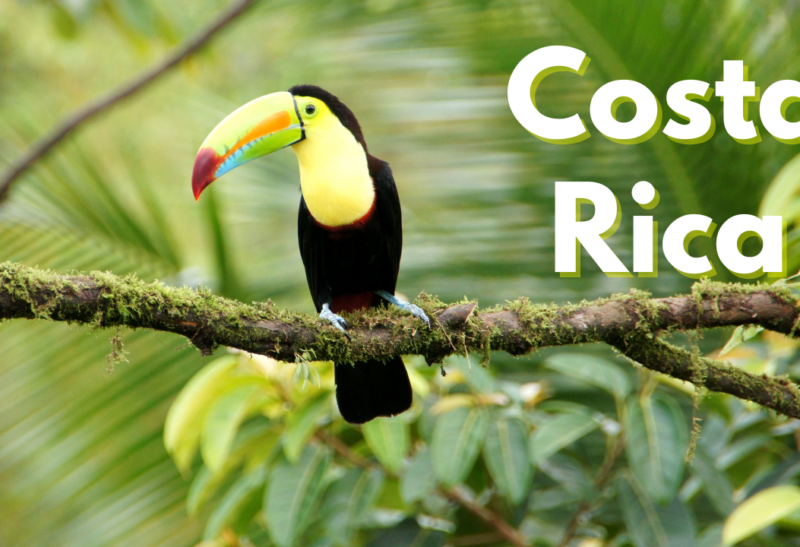
Welcome to Costa Rica, a place where verdant jungles meet white-sand beaches, where locals warmly greet you with a cheerful “Pura Vida,” and where sloths and toucans are practically waiting to pose for a photo. Costa Rica is more than just a destination; it’s a way of life. Located in Central America, between Nicaragua to the north and Panama to the south, Costa Rica is a haven for those seeking nature, adventure, and a splash of laid-back, tropical bliss.

Known for its biodiversity, Costa Rica’s geography ranges from mountainous regions and lush rainforests to volcanoes, rivers, and two stunning coastlines along the Caribbean Sea and the Pacific Ocean. This small country has become famous worldwide for its dedication to environmental preservation, with around 25% of its land protected by national parks and reserves. Here, you’ll find hundreds of species of birds, reptiles, and mammals – including the iconic jaguar and the elusive quetzal.

Looking to experience all the wonders of the beautiful country Costa Rica

The people of Costa Rica, known as “Ticos,” are friendly, relaxed, and proud of their country’s commitment to peace and conservation. Spanish is the official language, but don’t worry if you’re not fluent; many Costa Ricans, especially in tourist areas, are happy to speak English. As for the food, expect a delightful mix of fresh fruits, hearty rice and beans, and delicious local dishes like gallo pinto (a savory rice-and-bean combo often served for breakfast) and casado (a filling lunch plate with meat or fish, rice, beans, salad, and fried plantains).

To enter Costa Rica, all you need is a valid passport if you’re coming from the U.S., Canada, or the EU, and you’ll be granted a tourist visa on arrival that allows you to stay for up to 90 days. No lengthy visa applications or extra fees required – just make sure your passport is good for at least six months beyond your arrival date.

Top Attractions in Costa Rica

Costa Rica offers plenty of unforgettable attractions, from misty cloud forests to bustling beach towns. Here are five you absolutely shouldn’t miss.

  1. Arenal Volcano
    Towering over the town of La Fortuna, Arenal Volcano is one of Costa Rica’s most famous natural landmarks. Though it’s no longer actively erupting, Arenal still makes for a fantastic visit with its surrounding hot springs, waterfalls, and trails. Explore the lush rainforest, soak in a natural hot spring, or take a thrilling zipline tour with the towering volcano as your backdrop.
  2. Monteverde Cloud Forest Reserve
    For nature lovers and bird watchers, Monteverde Cloud Forest is a must. Nestled high in the mountains, this mystical reserve is blanketed by clouds, providing a cool, misty atmosphere that supports an astonishing diversity of plants and animals. Go for a hike, spot the brilliantly colored resplendent quetzal, or take a walk on the hanging bridges to see the forest canopy up close.
  3. Manuel Antonio National Park
    Manuel Antonio is the place where jungle meets beach in the best possible way. Known for its picturesque beaches, lush forest, and abundant wildlife, it’s one of the smallest but most popular national parks in the country. You might spot white-faced capuchin monkeys, sloths, and iguanas along the trails before cooling off at one of the park’s gorgeous beaches.
  4. Tortuguero National Park
    Often called the “Amazon of Costa Rica,” Tortuguero is a unique destination accessible mainly by boat. It’s one of the most important nesting grounds for sea turtles, particularly from July to October when thousands of green turtles come ashore to lay their eggs. Take a guided tour through the canals to spot turtles, caimans, and dozens of bird species.
  5. Corcovado National Park
    For the truly adventurous, Corcovado is as wild as it gets. Located on the remote Osa Peninsula, this rugged park is home to a staggering amount of biodiversity. Spot jaguars, tapirs, and scarlet macaws in one of the world’s most biologically intense places. This park is perfect for those looking to venture off the beaten path and connect deeply with nature.


Things to Do in Costa Rica

Whether you’re a thrill-seeker, a nature lover, or a beach bum, Costa Rica has something for everyone. Here are some top activities:

  • Zip Lining: With dense forests and towering trees, Costa Rica is one of the world’s best places to try zip lining. Zooming through the canopy, high above the jungle, offers an adrenaline rush with an unbeatable view.
  • Surfing: Costa Rica’s Pacific coast is a surfing paradise, with breaks suitable for both beginners and seasoned pros. Check out Tamarindo or Jaco for some of the best waves, surf schools, and a friendly surf culture.
  • Hiking: With so many national parks and reserves, Costa Rica has no shortage of hiking opportunities. Trails range from easy strolls to challenging treks that reward hikers with waterfalls, scenic vistas, and wildlife sightings.
  • Wildlife Watching: From sloths and monkeys to toucans and crocodiles, Costa Rica is a wildlife wonderland. Opt for a guided tour to maximize your chances of seeing elusive creatures.
  • Coffee Tour: Costa Rica is renowned for its high-quality coffee, so why not visit a local coffee plantation? Learn about the entire process, from bean to cup, and sample some of the freshest coffee you’ll ever taste.

Best Time to Visit Costa Rica

The best time to visit Costa Rica largely depends on what you want to do. The dry season, from December to April, is perfect for beach-goers and outdoor activities, with plenty of sunshine and warm weather. However, it’s also the most popular time for tourists, so be prepared for bigger crowds and higher prices.

The rainy season, or “green season,” runs from May to November. Though you can expect regular afternoon showers, this season has its perks – lush landscapes, fewer tourists, and lower prices. Plus, if you’re planning a visit to the Caribbean side (like Tortuguero), this time of year offers some of the best weather. For those interested in seeing sea turtles, the green turtle nesting season occurs between July and October.

Who is Costa Rica For?

Costa Rica is perfect for just about everyone! Are you an adventure junkie? You’ll love the zip lining, surfing, and hiking. More of a beach bum? The country has some of the best beaches in Central America. Wildlife lover? Costa Rica’s national parks are teeming with exotic creatures, making it a paradise for animal enthusiasts and budding photographers.

It’s also fantastic for families, with plenty of kid-friendly attractions and tours, as well as honeymooners looking for romance, relaxation, and stunning scenery. Costa Rica caters to all kinds of travelers – whether you’re looking to go off-grid in a remote eco-lodge, indulge in a luxurious resort, or backpack from beach town to beach town.

Costa Rica is a destination that leaves a lasting impression, whether it’s the towering peaks of Arenal, the misty Monteverde forest, or the vibrant colors of Manuel Antonio’s beaches. It’s a place where you can reconnect with nature, let loose, and embrace the “Pura Vida” way of life. So pack your bags, brush up on your Spanish (or just learn “Pura Vida”), and prepare for a memorable, heartwarming adventure in one of the world’s most spectacular countries. Costa Rica awaits!

Back to top